Freezer Meal Planning for Small Kitchens
Use limited freezer space for flexible components, sensible portions, clear labels, and a realistic meal rotation.
Shopping note: this guide includes buying advice. Retailer links currently use no affiliate tracking. If affiliate links are added, we may earn a commission at no extra cost to you. Read our disclosure.
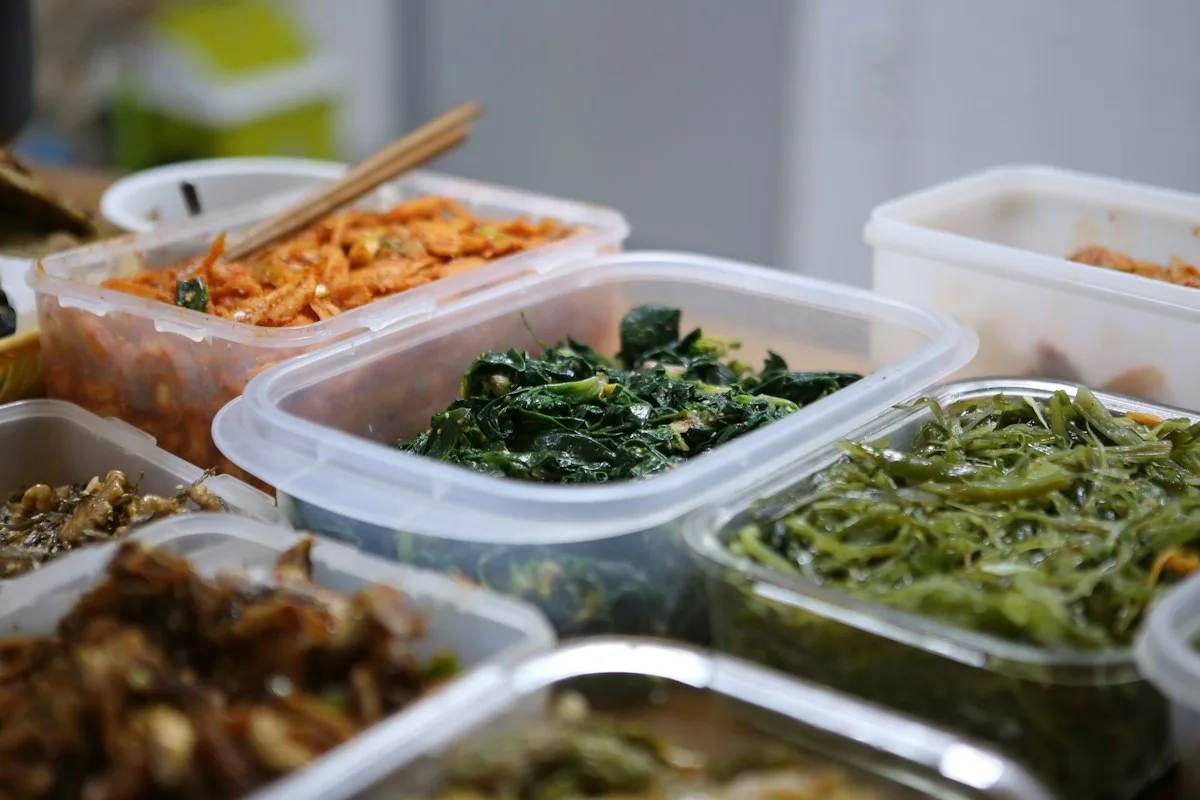
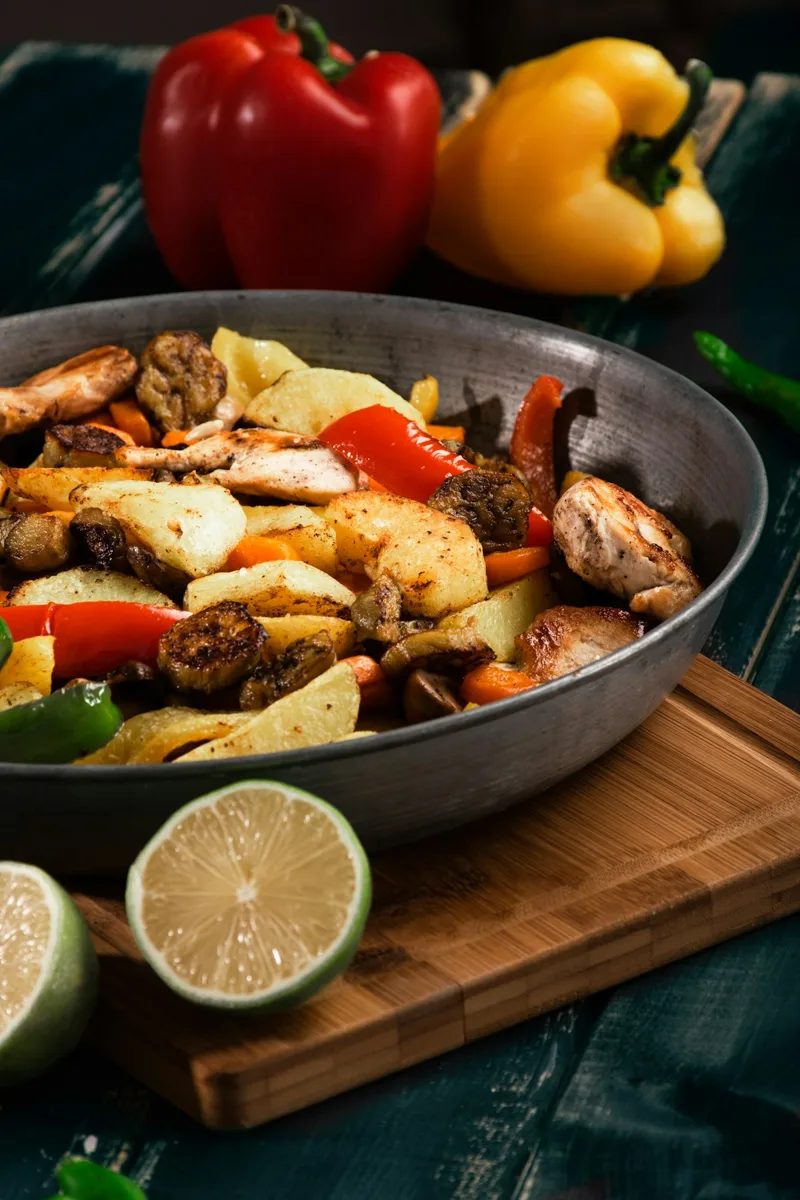
Lifestyle photography for editorial illustration; not a product test or a photograph of a tested recipe.
A small freezer does not need to hold a month’s complete dinners to be useful. A few deliberate components can remove a difficult step on a busy evening. The first decision is not what to cook in bulk; it is how much space you have and which meals your household will eat.
Editorial disclosure: This guide includes purchase considerations and an informational manufacturer link. No paid affiliate links are included.
Measure before cooking
Look at shelves, drawers, and existing contents. Identify an area you can use without blocking normal access. Measure usable dimensions and note whether containers must pass through a narrow opening. A box that fits inside a drawer may still be awkward to remove when other food surrounds it.
Make an inventory with food names and dates. If something has uncertain storage history, do not use a new plan to justify keeping it indefinitely. The USDA freezing and food safety guide explains useful handling principles.
Keep a visible rotation. Place older suitable items toward the front and group new additions together. A freezer full of anonymous packages makes deciding on dinner harder, even when it contains plenty of food.
Freeze the step that creates friction
If chopping is your main obstacle, a prepared cooked vegetable component may help. If starting a sauce takes too long, freeze portions of a sauce you enjoy. If evening schedules vary, individual soup portions may be more useful than one large casserole.
Choose food whose texture you are happy to eat after freezing and reheating. Some ingredients change noticeably. Freeze a small trial portion of an unfamiliar dish before making a large batch, and note the result instead of assuming every recipe freezes equally well.
Keep a meal outside the freezer plan. A shelf-stable backup is useful when you forget to thaw something or discover the package is too large for the available time. Flexible planning includes a route around the plan itself.
Portion for actual evenings
A large container saves packaging but can force you to thaw more than needed. Smaller portions suit separate lunches and late dinners. Consider whether you usually feed everyone together or need meals at different times.
Leave the headspace recommended for the container and food, especially liquids that expand. Use containers explicitly suitable for freezing and follow their instructions. Do not assume an ordinary glass jar safely handles every freezing method.
Label the dish, preparation date, portion count, and essential reheating notes. Use a label that remains legible in the freezer. Position it where you can read it without unstacking everything. A few extra seconds now prevent guesswork later.
Compare bags and rigid boxes
Freezer bags lie flat and fit narrow spaces, but need support during filling and careful sealing. They may be awkward when you want to reheat directly in a container. Check freezing suitability and any stated reuse instructions.
Rigid boxes stack neatly when shapes match, though their walls and lids consume space. Rectangular containers can fit some drawers efficiently. Check whether replacement lids are available; a set with many sizes can create more confusion than a few repeated shapes.
The OXO food storage collection offers current product information for comparison. Read each model’s freezer and reheating instructions. A storage category page does not establish that every listed container suits every task.
Write the route back to dinner
Plan thawing and reheating before putting food away. A vague label leaves you guessing whether sauce is cooked or a meal requires more preparation. Keep the original recipe notes accessible if they contain important steps.
Follow safe thawing methods appropriate to the ingredients. Do not leave dinner on the counter all day as a routine shortcut. Check the schedule the evening before so there is time for the method you intend to use.
Review the inventory weekly and plan one freezer meal before adding more. Start with two future dinners rather than a large overhaul. That smaller project reveals which portions and containers suit your household without filling every drawer with an experiment.
For a manageable weekly routine, see a calm Sunday reset.