Five Flexible Weeknight Dinners From One Practical Shopping List
A dinner framework that reuses ingredients across bowls, pasta, wraps, a tray meal, and a final use-what-remains supper.
Shopping note: this guide includes buying advice. Retailer links currently use no affiliate tracking. If affiliate links are added, we may earn a commission at no extra cost to you. Read our disclosure.

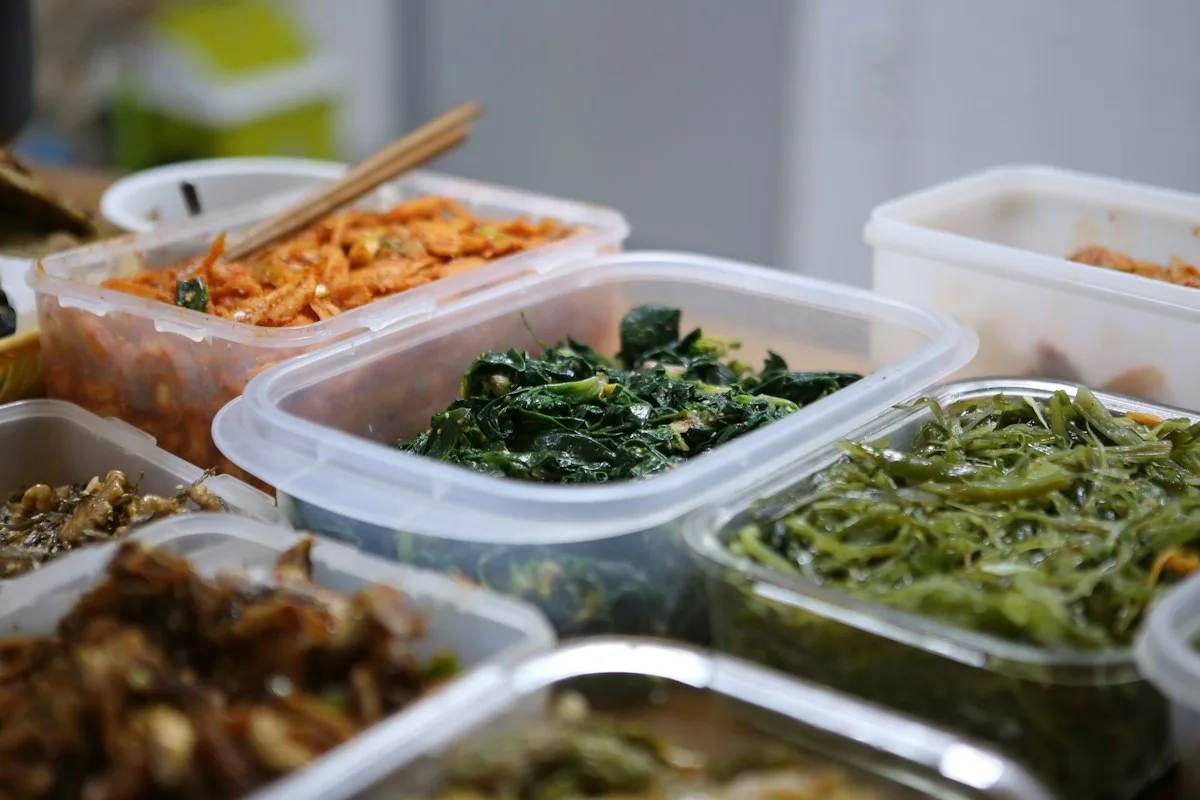
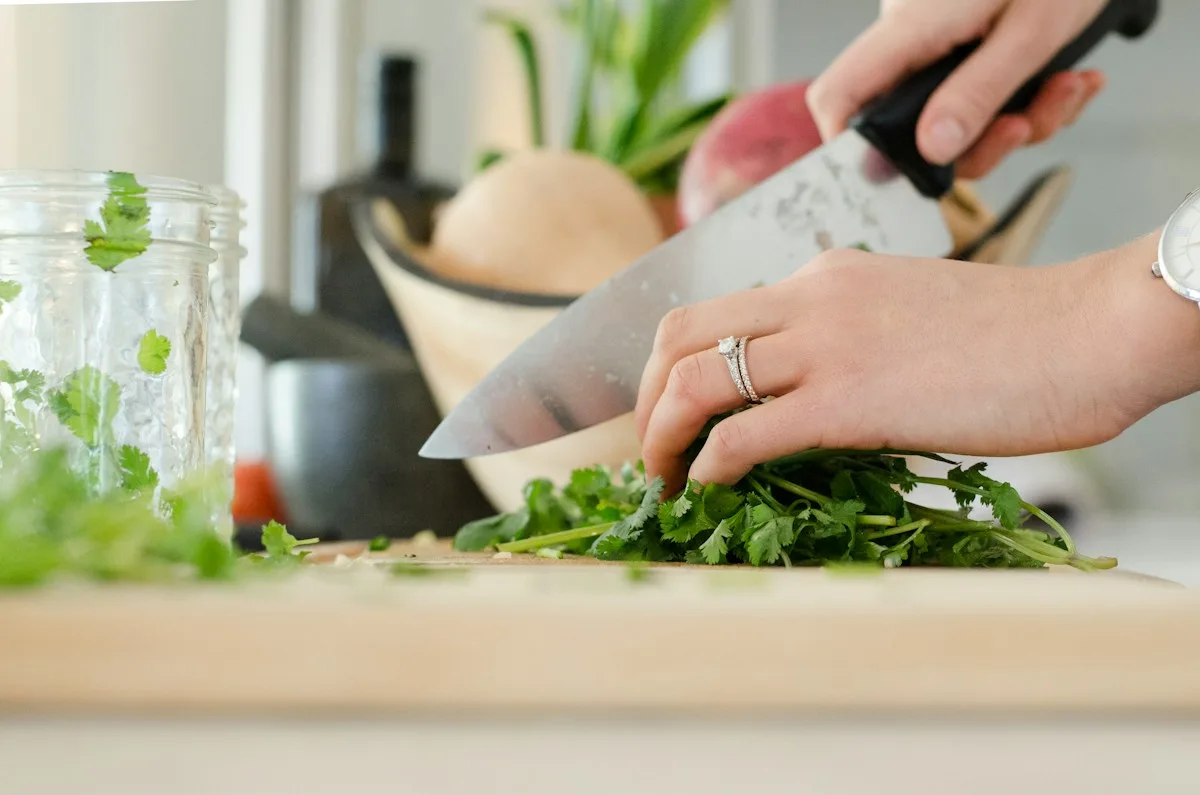
Lifestyle photography for editorial illustration; not a product test or a photograph of a tested recipe.
A good weekly dinner plan has room for a tired Tuesday and an unexpectedly busy Thursday. Instead of choosing five unrelated recipes, choose a few ingredients that can play different roles. That reduces shopping decisions and makes a changed schedule less disruptive.
The following framework uses grains, pasta, beans, vegetables, bread or wraps, and a few flavoring ingredients. Quantities depend on the number of people eating and their appetites. Check your pantry first, then buy for the meals you expect to cook rather than an idealized week with unlimited time.
Build a compact shopping list
Choose one grain, one pasta shape, canned beans or chickpeas, canned tomatoes, and wraps or a suitable bread. Add two vegetables that work raw or cooked, one leafy ingredient, a lemon, and a preferred herb. Include eggs, cheese, or another suitable addition if those fit the household.
For vegetables, think about versatility. Carrots can be grated into a wrap, roasted beside dinner, or chopped into a sauce. Cabbage can become a crisp topping or a cooked side. Delicate ingredients should appear earlier in the plan, while sturdier choices can wait for later meals if stored appropriately.
Monday: bowls with a dressing on the side
Cook the grain and assemble bowls with beans, vegetables, and a simple dressing. Keep the remaining ingredients separate so they can serve another purpose. If you prepare extra cooked food, cool and store it according to USDA guidance.
The lemon chickpea bowl idea is one possible starting point. Change the vegetable combination according to what looks useful at the shop. Monday’s goal is to make dinner and establish a few components, not prepare the entire week in one evening.
Tuesday: pantry pasta with something green
Use canned tomatoes as the base of a straightforward pasta sauce. Add a vegetable that suits simmering or stir in suitable greens near the end. Keep the flavor direction different from Monday by using a preferred dried herb, garlic, or another seasoning already in your pantry.
Cook the amount of pasta you expect to eat rather than automatically opening a second package. Offer cheese or another topping separately. If someone wants a plainer plate, reserve a portion before combining the sauce and pasta.
Wednesday: wraps with warm and crisp fillings
Warm beans with a seasoning you enjoy and tuck them into wraps with crisp vegetables. Put any sauce in a small bowl at the table. The contrast between warm filling and fresh crunch helps this feel different from the bowls even when ingredients overlap.
Wraps work well on a staggered evening because the fillings can remain separate until serving. Avoid filling everything in advance unless you know it will be eaten promptly; wet ingredients can soften the bread and make it difficult to handle.
Thursday: a tray meal with an easy side
Roast the remaining suitable vegetables and serve them with a familiar main ingredient or a simple side from your pantry. Follow a reliable recipe or product directions for any ingredient whose cooking requirements you are unsure about. Cut vegetables into sizes that suit their different cooking times.
A crowded tray tends to behave differently from one with space between ingredients. If you regularly cook for several people, a second tray may be useful, provided your oven has room. It is more practical to check the oven’s usable dimensions than buy the biggest tray on display.
Friday: a deliberate use-what-remains dinner
Check the refrigerator before settling on the format. A little grain and vegetables can accompany eggs; bread and a suitable filling can become toast or sandwiches; a small portion of sauce can dress another pantry ingredient. Assess stored food carefully rather than assuming Friday is automatically a safe destination for everything prepared earlier.
This evening should be planned as flexible from the beginning. If there are no suitable leftovers, keep an easy pantry meal available. A backup dinner is a tool, not evidence that the plan failed.
Spend on the bottleneck
If weeknight cooking feels awkward, identify the repeated difficulty before buying equipment. A stable cutting board, a comfortable knife, or a suitably sized pan may be more useful than a gadget that performs one narrow job. Check storage space and care requirements before adding something to the kitchen.
What if one dinner gets skipped?
Move the most perishable suitable ingredients forward, freeze components where appropriate, and adjust the next shopping list. Keep the plan visible and editable. For a lighter preparation session, use Sunday meal prep and leave the remaining cooking for the evening it belongs to.