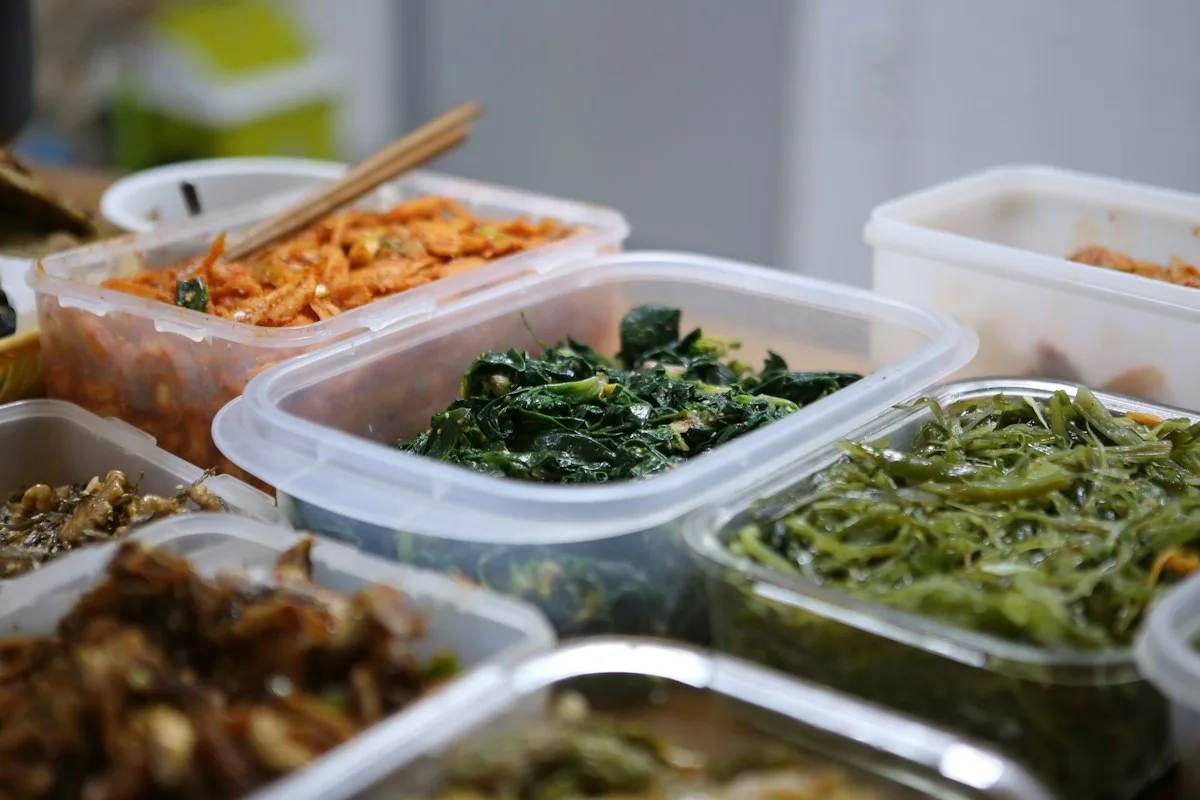
Sunday Meal Prep Without Losing Your Weekend
A flexible prep session built around a few useful components, a realistic shopping list, and dinners that can change with your week.
Shopping note: this guide includes buying advice. Retailer links currently use no affiliate tracking. If affiliate links are added, we may earn a commission at no extra cost to you. Read our disclosure.
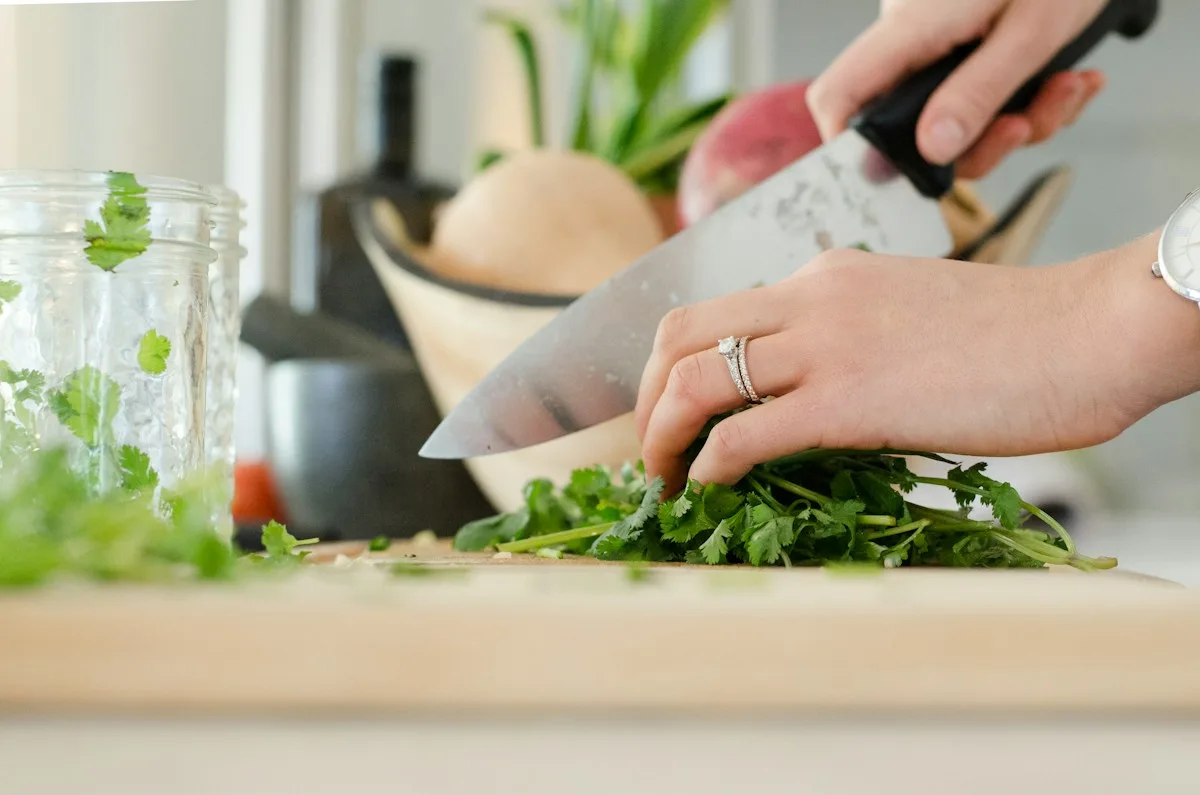
Lifestyle photography for editorial illustration; not a product test or a photograph of a tested recipe.
A Sunday afternoon can disappear surprisingly quickly between grocery bags, laundry, and the question of what everyone will eat on Monday. Meal preparation should make the next few days easier without turning the last quiet hours of the weekend into another shift. The most useful starting point is a short list of components, not a refrigerator full of identical finished meals.
Imagine a week with one late meeting, a school activity, and an evening when nobody wants the dinner originally planned. A cooked grain, washed vegetables, and a sauce can move between those evenings. Five tightly portioned dinners cannot adapt as easily. Start with the week you actually have, including the nights when dinner needs to be assembled in ten minutes.
Pick three dinners before buying ingredients
Choose one meal that needs cooking, one that mostly needs assembly, and one that can use whatever remains. For example, roasted vegetables with rice can become wraps the following night, while the remaining vegetables can go beside eggs or into a simple pasta dish. The ingredients overlap, but the dinners feel different.
Write down the busiest night first. Put the assembly meal there rather than assuming you will find extra energy after a long day. Leave one open space on the plan for leftovers, a change of appetite, or food already in the freezer. Planning every mouthful often creates more work than it saves.
Work in an order that reduces waiting
Set out your ingredients, containers, cutting board, and a bowl for scraps before starting. Begin the item with the longest unattended cooking time, such as rice or a tray of vegetables. While it cooks, wash produce, mix a dressing, and clear a shelf in the refrigerator.
Use one preparation session to complete these four jobs:
- Cook one base that fits at least two planned meals.
- Prepare two vegetables, keeping delicate greens separate from wet ingredients.
- Mix one dressing or sauce that everyone can add at the table.
- Make tomorrow’s lunch while the ingredients are already out.
This is a stopping rule as much as a checklist. Once those jobs are done, clean the work surface and stop. You do not need to turn every ingredient into something finished.
Keep components separate
A bowl of grains with sauce mixed through it has fewer options than plain grains and a jar of sauce. Separate storage also lets household members build different plates without requiring different dinners. Keep crunchy toppings dry, and add them when serving rather than at the end of the prep session.
Label containers with their contents and preparation date. Before keeping cooked food for another day, consult the USDA guidance on leftovers. Plan freezer portions deliberately instead of treating the freezer as a final destination for food nobody remembers.
Buy storage for the meals you actually make
If you regularly carry lunch, a secure individual container matters more than a coordinated set of large serving dishes. If most meals happen at home, two medium containers and several small jars may be enough. Measure your refrigerator shelf height before buying tall containers, and check whether lids stack without sliding.
Glass can move neatly from storage to table, but it adds weight to a work bag. Lightweight plastic is easier to carry, though you need to check the manufacturer’s instructions for its intended uses. A large set may have a lower price per piece while still being poor value if half the sizes never leave the cupboard. Start with the size you reach for most, then add another only when you identify a repeated need.
Give future you a visible plan
Put a short note on the refrigerator: “Monday: rice bowls. Tuesday: wraps. Wednesday: use remaining vegetables.” Add any ingredient that still needs cooking. The note should remove a decision, not become a second recipe binder.
Before shopping again, check the oldest prepared components first. If a particular item repeatedly goes unused, prepare less of it next time. A useful routine is allowed to shrink.
What if Sunday is already full?
Move one job to another day. Wash produce after shopping, cook an extra portion with Monday’s dinner, or mix dressing while Tuesday’s meal cooks. The benefit comes from fewer repeated tasks, not from completing everything on a particular day.
For the next step, try the five-dinner framework or use the pantry reset to see what you can build without another shopping trip.