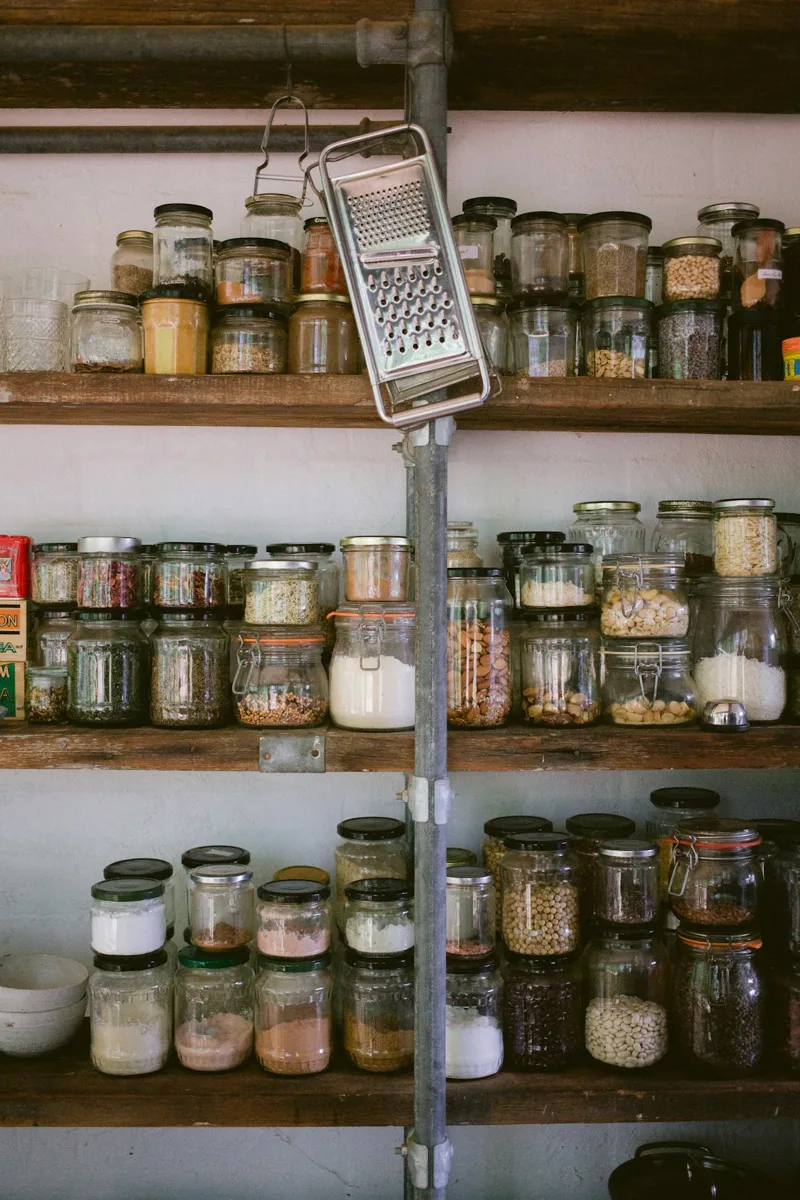
The Small Kitchen Essentials Guide
Prioritize kitchen equipment by the meals you cook, the space you have, and the cleanup you can manage.
Shopping note: this guide includes buying advice. Retailer links currently use no affiliate tracking. If affiliate links are added, we may earn a commission at no extra cost to you. Read our disclosure.
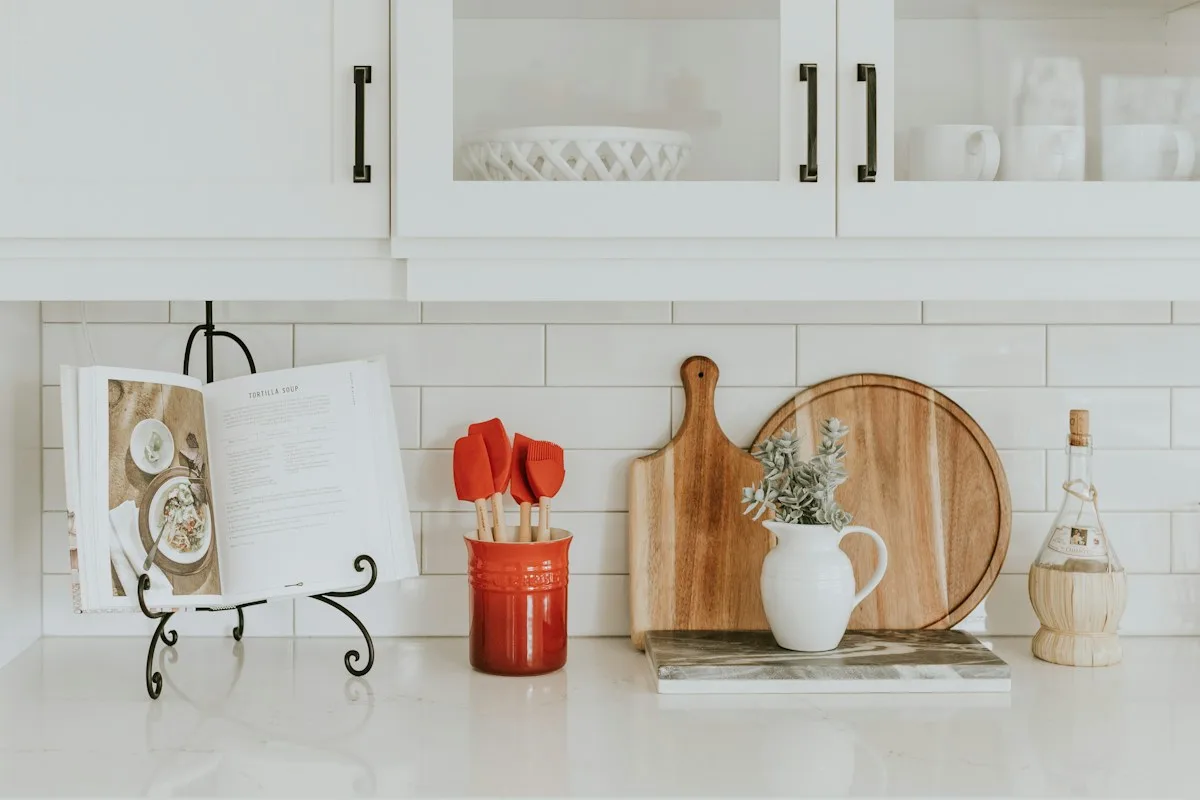
Lifestyle photography for editorial illustration; not a product test or a photograph of a tested recipe.
A small kitchen asks every object to earn its space. That does not mean buying the smallest version of everything. It means choosing pieces that support your actual meals and can be reached, cleaned, and put away without a struggle.
Editorial disclosure: This guide includes purchase considerations. No paid affiliate links are included, and recommendations do not imply hands-on product testing.
Begin with a week of cooking notes
Write down what you prepare, which tools you use, and where the process becomes awkward. That evidence is more useful than a generic list of gadgets. If every meal requires moving three appliances to reach a board, access matters more than another appliance.
Identify repeated tasks and occasional projects separately. Everyday breakfast and dinner equipment deserves convenient storage. A tool used for an annual baking project may belong farther away, provided you can still retrieve it safely when needed.
Set up a preparation area
A comfortable knife, stable cutting board, mixing bowl, and colander cover many tasks. Choose a knife you can hold securely instead of assuming a large blade is better. Follow appropriate care and storage instructions so it remains usable and safely contained.
The board should fit the counter with space around it. A huge board is hard to wash in a small sink, while a tiny one lets chopped food spill. Consider whether it can be stored upright and removed without moving several other objects.
One large bowl and a smaller one may serve more purposes than an extensive matching set. Check whether bowls nest without sticking together and sit securely. Materials differ in weight, durability, and care; choose around your routine instead of appearance alone.
Match cookware to repeated meals
If you often make soups and pasta, a useful pot deserves priority. If dinners begin on the stovetop, a skillet may matter more. Buy the piece that solves a common task before purchasing equipment for something you rarely cook.
A rimmed baking tray is versatile, provided it fits your oven and sink. A second tray helps when cooking for several people, but storage should remain straightforward. Avoid buying a complete cookware set simply because the per-piece price looks attractive.
Check stove compatibility, handle clearance, and oven limits for each item. Lid storage also matters. A pan that looks compact in a photograph may need a long shelf once its handle and lid are included.
Keep utensils simple
A sturdy spoon, flexible spatula, tongs, and ladle cover many jobs. Match utensil materials to cookware instructions. The useful tool reaches corners and feels comfortable in your hand; extra decorative details do not improve that job.
Choose a can opener that suits the packages you buy and a peeler if it speeds preparation. A grater helps some menus but is unnecessary for others. Resist purchasing several single-purpose slicers before identifying a repeated need.
Store daily utensils within reach. A countertop crock saves drawer space but occupies worktop space and gathers dust. A drawer keeps surfaces clearer but needs room for handles to avoid jamming. Consider both retrieval and cleanup before choosing a location.
Make storage predictable
Use a small group of containers with repeated shapes and compatible lids where possible. Compare sizes with the meals you pack. Oversized boxes fill the fridge inefficiently, while tiny boxes create multiple washing jobs for one lunch.
Clear containers make food visible, but labels still help. Confirm freezer, dishwasher, and reheating suitability in individual instructions instead of assuming every container in a set shares every feature.
Measure shelves before buying organizers. A rack may improve access, while one that leaves no space for your plates does the opposite. Test a temporary arrangement with existing objects before purchasing permanent hardware.
Consider frequency, cost, and care
A moderately priced tool used daily can offer better value than a cheap gadget used once. Premium construction offers little benefit if a basic version already performs your task comfortably. Compare care requirements and replacement parts alongside price.
An appliance also needs room for its cord, attachments, and cleaning. Measure the full storage requirement, not only the main body. Borrowing an occasional-use tool may be practical when you have that option.
For pans, consult choosing a skillet for everyday cooking. Revisit your equipment list after a month of meals. Add something when a repeated problem gives you a clear reason, and leave enough counter space to prepare dinner.