A Pantry Reset That Makes Dinner Easier
Organize your pantry around the meals you cook, reduce duplicate purchases, and choose storage that solves a specific problem.
Shopping note: this guide includes buying advice. Retailer links currently use no affiliate tracking. If affiliate links are added, we may earn a commission at no extra cost to you. Read our disclosure.
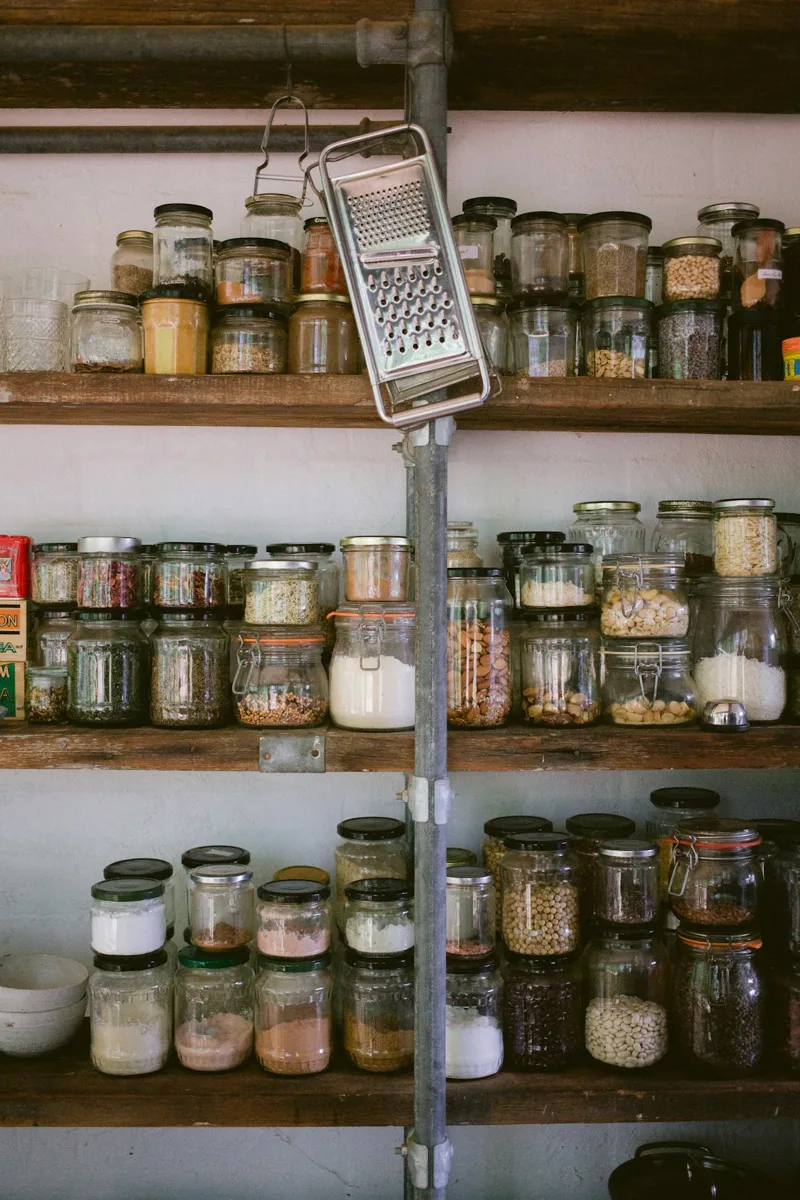
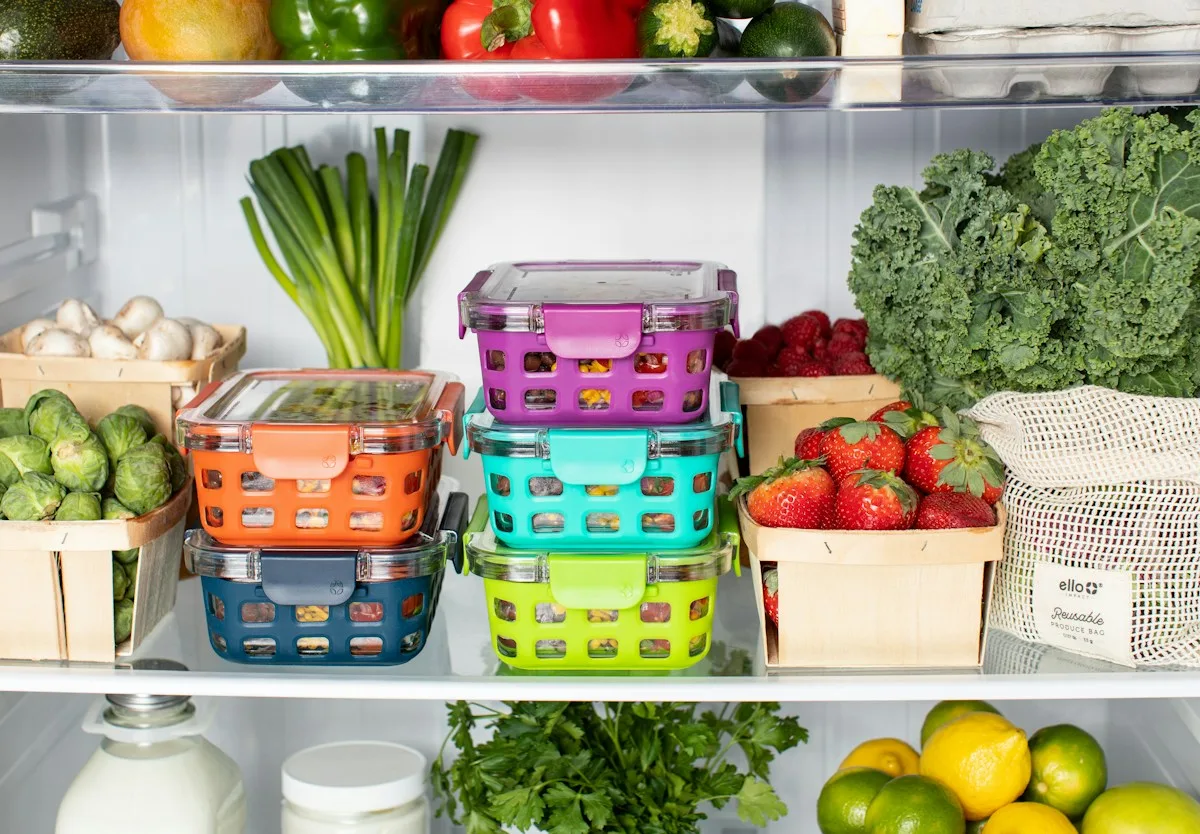
Lifestyle photography for editorial illustration; not a product test or a photograph of a tested recipe.
A useful pantry is one where you can find the tomatoes while a pan is warming. It does not need identical jars, a custom label printer, or enough matching baskets to fill a shopping cart. Before changing anything, think about the last three dinners you made and the ingredients you had trouble finding.
Perhaps the pasta was visible but the sauce ingredients were scattered. Perhaps you bought another bag of rice because the open one had slipped behind a cereal box. Those are practical problems, and a pantry reset should address them first. The goal is a simpler route from “What can we eat?” to a workable dinner.
Start with one shelf
Empty the shelf you use most, keeping everything else in place. Working on the entire pantry at once can leave the kitchen unusable just when it is time to cook. Wipe the shelf, check packages, and group duplicates before returning anything.
Read date labels and storage instructions rather than treating every printed date as interchangeable. Discard damaged or compromised packages appropriately. For questions about specific products, consult the manufacturer or relevant food-safety guidance instead of relying on how a package looks from the outside.
Set aside ingredients you do not know how to use. Choose one to incorporate into the coming week’s plan, provided it is suitable to eat. If an ingredient repeatedly feels like a chore, that is useful information for the next shopping list.
Organize by dinner jobs
Broad categories work better than an elaborate sorting system when several people use the kitchen. Put pasta and grains together, group canned dinner ingredients, and keep baking supplies where they are easy to lift out. Move frequent items to the most accessible shelf.
Make a small “use next” area for open packages and duplicates. It should be visible, not a punishment basket tucked behind everything else. When planning a meal, check that area before looking for something new to buy.
An ingredient can belong near the meal it supports even if the arrangement looks unconventional. Tortillas, canned beans, and a favorite sauce might share a section because they turn into a quick dinner together. The people cooking should understand the system without needing a tour.
Keep a short working inventory
Write down the ingredients that reliably become meals in your household. A starting list might include rice, pasta, beans, canned tomatoes, oats, oil, and the seasonings you actually use. Add quantities only if they help you shop; a complicated inventory becomes stale quickly.
Mark an item when you open the last package. Before shopping, glance at the list and then at the shelf. The physical check catches things a note misses, including an ingredient someone moved or a duplicate hiding behind another package.
Avoid buying a large quantity simply because the price per ounce is lower. Bulk buying works when you have suitable storage and regularly use the ingredient. Otherwise, the larger package can tie up space and money without making dinner easier.
Buy containers after measuring the problem
Decanting is helpful when a bag spills, an ingredient is difficult to scoop, or an open package will not close properly. It is less helpful when you lose the cooking directions and cannot fit a refill into the container. Keep essential label information and mark contents clearly.
Measure shelf depth, usable height, and the opening you need for a measuring cup before choosing containers. Square shapes can use shelf space efficiently, but a comfortable opening and a lid you can manage matter more than shape alone. Large containers are heavy when full and may be awkward on high shelves.
Start with one troublesome ingredient. If the container solves that problem, expand carefully. A basket is often sufficient for small packets, and original packaging works well for many unopened products. Compare the price of individual useful sizes with the total price of a set that includes pieces you may not need.
End with an actual dinner plan
Choose two dinners from what you found. Rice, beans, tomatoes, and a few fresh vegetables can become bowls; pasta, canned tomatoes, and a suitable frozen vegetable can form another meal. Add only the missing ingredients to your shopping list.
How often should you reset the pantry?
Use a quick check before shopping and a deeper shelf-by-shelf tidy when the arrangement stops working. There is no need to empty everything on a fixed schedule if you can see, reach, and use what you own.
For a practical next step, build your week with five flexible dinners. If the refrigerator presents a similar problem, the food-storage container guide applies the same buy-for-a-purpose approach.