Choosing Food Storage Containers You Will Actually Use
Compare glass and plastic, useful shapes, lids, and set sizes before spending money on a better-organized kitchen.
Shopping note: this guide includes buying advice. Retailer links currently use no affiliate tracking. If affiliate links are added, we may earn a commission at no extra cost to you. Read our disclosure.
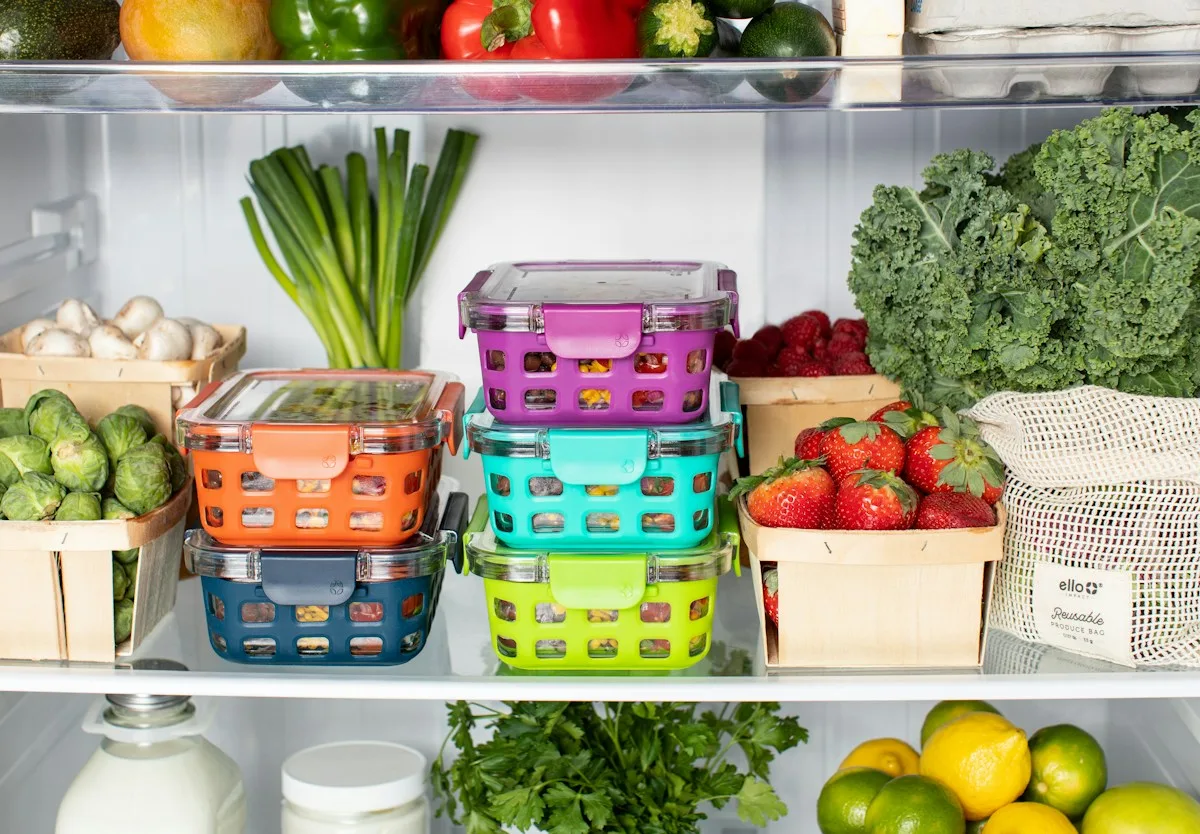
Lifestyle photography for editorial illustration; not a product test or a photograph of a tested recipe.
The most useful food container is the one that fits yesterday’s dinner, closes easily, and still has its lid when you need it. Buying a large matching set can feel like an instant kitchen reset, but the real decision is more specific: what food are you storing, where does it go, and who carries it?
Start by looking at the containers already in your cupboard. Identify the three you use most and the three you avoid. Perhaps your favorites stack neatly, or perhaps they are simply easy to wash. Those details provide a better shopping brief than a product photo of a perfectly arranged refrigerator.
Define the job before choosing the material
Storage at home, commuting lunches, and freezer portions place different demands on a container. A heavy glass dish may be convenient for leftovers at home and awkward on a train journey. A small lightweight pot may suit dressing but be an irritating choice for a full dinner portion.
Write down one recurring problem. It might be soup leaking into a bag, leftovers disappearing at the back of a shelf, or a container too tall for the refrigerator drawer. Solve that problem first. There is no requirement for every container in the kitchen to belong to the same range.
Compare glass and plastic honestly
Glass lets you see the contents and can look tidy on the table. It also adds weight, can break, and may need careful handling around temperature changes. Follow the manufacturer’s instructions for heating, cooling, freezing, and any restrictions on lids. A glass body does not automatically make every part suitable for the same use.
Plastic is usually easier to carry and less cumbersome in a child’s bag. It may stain, retain odors, or become scratched over time, depending on the product and its use. Check its stated care instructions rather than relying on the appearance of the material. Replace damaged items according to the manufacturer’s guidance.
Neither material removes the need to cool, store, and reheat food appropriately. Consult USDA leftover guidance for the food itself, alongside the container instructions.
Check usable dimensions
Capacity is helpful, but shape determines how a container fits into a day. A tall narrow pot may hold the right amount of lunch while making it difficult to reach the bottom with a fork. A wide shallow dish may fit a dinner portion beautifully and occupy most of a refrigerator shelf.
Measure your shelf height, lunch-bag opening, and the space reserved for cooling packs. Look at the inside dimensions when available. Handles, rims, and bulky lids can make a container noticeably larger than its usable storage area suggests.
If you regularly freeze portions, choose sizes suited to the amount you will actually thaw. Several small portions can be more convenient than a large block that commits the household to the same meal. Leave any headroom required by the manufacturer’s instructions and the food being stored.
Treat the lid as part of the purchase
A lid should close with a clear, manageable action. Consider whether all household members can open it, especially when hands are wet or someone has limited grip. A stiff locking system may be secure but frustrating in everyday use.
Inspect removable seals and small grooves. They can require separate cleaning and thorough drying. Ask whether replacement lids or seals are available before buying an expensive set, because losing one small part should not necessarily retire an otherwise useful container.
Leak-resistant and leakproof descriptions deserve careful reading. Check the intended use, particularly for liquids and transport. Test a new lunch container with water in a controlled setting before packing soup beside a laptop.
Compare sets with individual pieces
Count containers separately from lids when comparing prices. A set advertised with many pieces may contain fewer usable boxes than you first assume. Note how many sizes you would actually use in an ordinary week.
Buying two matching medium containers may cost more per container than a large set while costing less overall. A set becomes worthwhile when its sizes fit established needs, replacement parts are practical, and the pieces nest or stack in your available space.
What should you buy first?
Choose one container for your most frequent problem and use it through several ordinary meals. Only then decide whether to add another size. Label food clearly, keep lids together, and review the cupboard before buying more.
Use the Sunday prep guide to decide which portions need storage, or apply these criteria to the lunch-box routine before choosing a portable set.