Lunch-Box Building Blocks for Less Morning Decision-Making
Create a repeatable lunch-packing routine with flexible components, realistic portions, and containers suited to the person carrying them.
Shopping note: this guide includes buying advice. Retailer links currently use no affiliate tracking. If affiliate links are added, we may earn a commission at no extra cost to you. Read our disclosure.
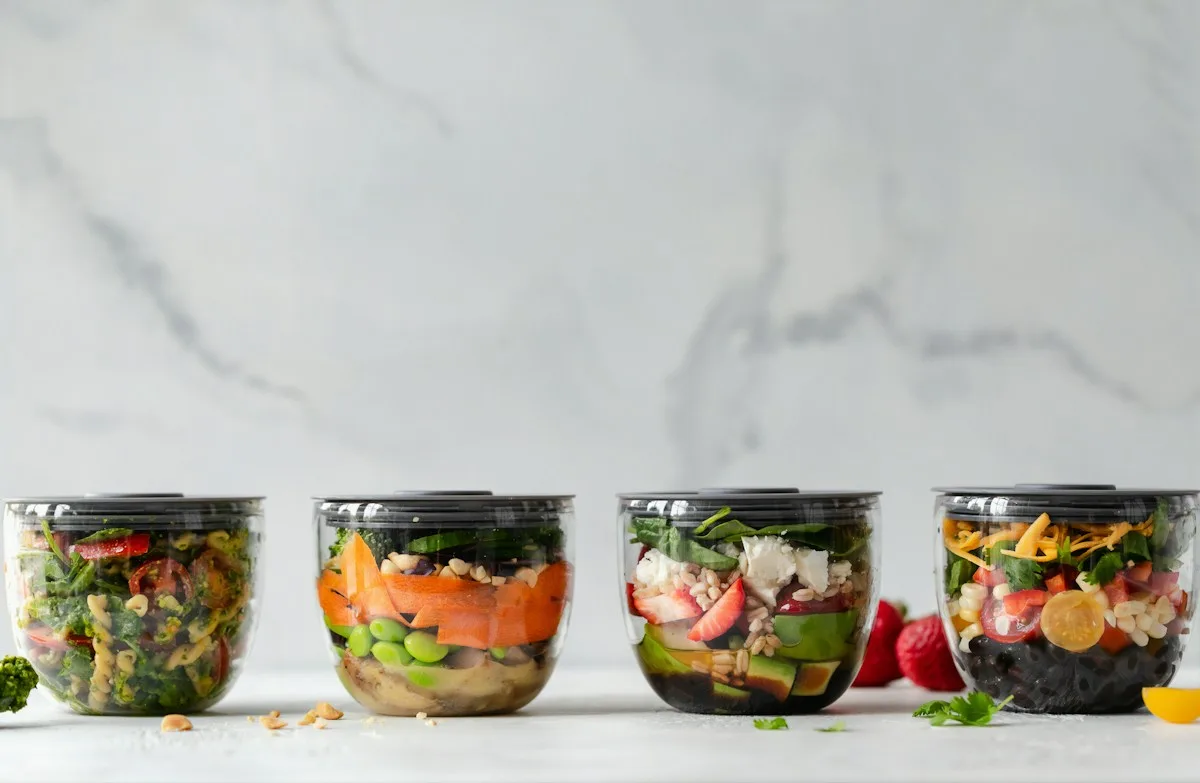
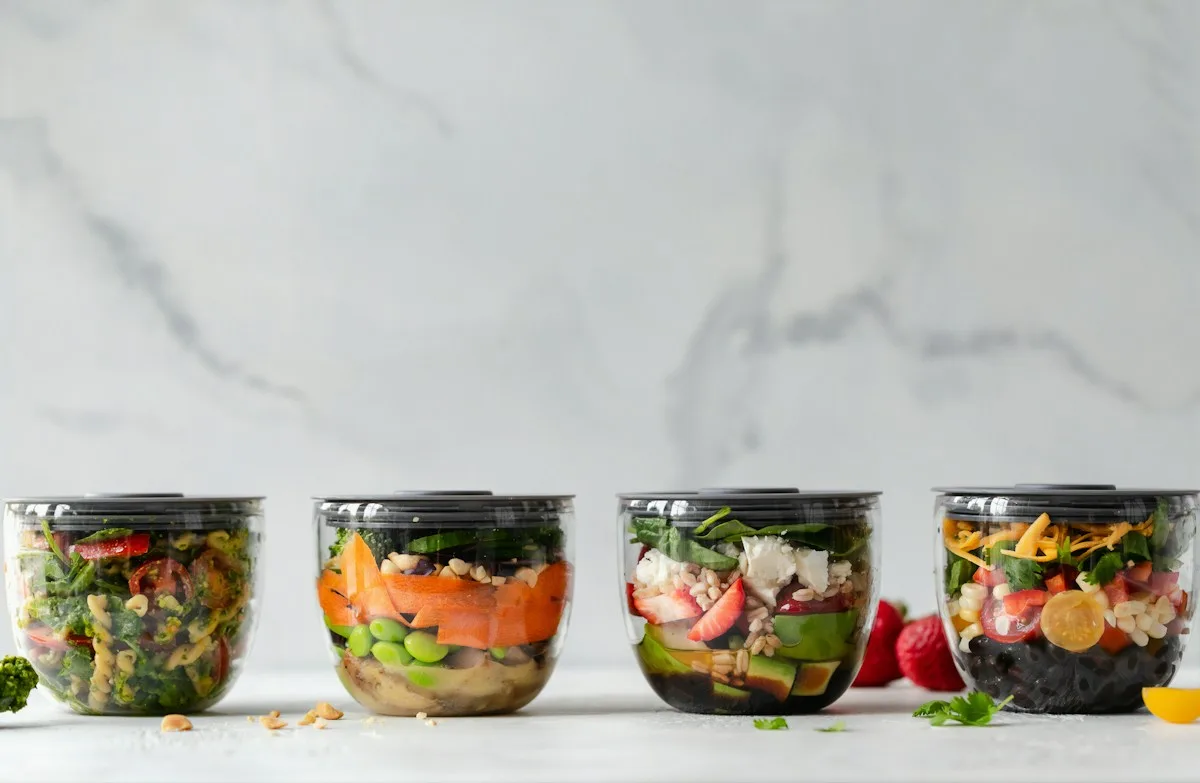
Lifestyle photography for editorial illustration; not a product test or a photograph of a tested recipe.
Packing lunch becomes harder when every morning starts with a blank page. A small set of building blocks can reduce the decisions while leaving room for preference and appetite. Think about something substantial, something fresh, and a small extra that makes lunch appealing to its owner.
This is a household planning framework, not a prescribed meal plan. A child, a commuting adult, and someone eating at home may need different amounts and different foods. Start with what the person reliably enjoys, then use the lunch container to make those foods easy to carry and eat.
Ask what actually happens at lunchtime
Before buying equipment or changing the menu, find out how long the person has to eat, whether a refrigerator is available, and whether utensils are practical. A lovely bowl that needs careful assembly may be a poor fit for a short school lunch break.
Check school or workplace rules, including restrictions around ingredients, glass containers, or reheating. For a younger child, practice opening the container and its small compartments at home. A lid that an adult finds secure may be too difficult for the person using it.
Ask what comes home uneaten without treating the answer as a failure. Perhaps the portion is too large, the fruit is difficult to peel, or the sandwich becomes damp. Each explanation points to a small adjustment rather than an entirely new lunch strategy.
Choose a small rotation
Keep two or three options in each part of the lunch. A substantial component could be a sandwich, leftover pasta, a wrap, or a suitable combination of separate foods. Fresh options might include fruit or vegetables the person likes. An extra could be crackers, a favorite dip, or another familiar item.
For example, you might rotate these three lunches:
- A cheese or bean wrap, cucumber pieces, fruit, and crackers
- Pasta with a dressing packed separately, vegetables, and a preferred topping
- A sandwich, sliced produce, and a small portion of a familiar snack
Adapt ingredients to individual requirements and your setting’s rules. Repetition is useful when it removes stress. A lunch does not need a new theme every day to be worth eating.
Use dinner preparation to help tomorrow
When chopping vegetables for dinner, set aside a lunch portion before dressing or cooking the rest. If tomorrow’s lunch uses a cooked component, store it promptly and appropriately. Keep a clearly designated lunch area in the refrigerator so the portion does not get folded into another meal.
Pack dry components in the evening and add chilled components at the appropriate time. Leave the lunch bag near the routine it belongs to, such as the breakfast area, without leaving perishable food out. A short checklist by the door can include the bag, drink, utensils, and any required cooling packs.
For packing temperatures and safe handling, use the USDA guide to bag lunches. An insulated bag is part of a system; it does not replace appropriate cooling or storage.
Choose a container around the food
Compartments can keep crackers separate from cucumber, but they also limit portion shapes. A sandwich may fit badly into several narrow sections. One large container with two removable small pots can be more adaptable, though it creates more pieces to wash and keep track of.
Check how the manufacturer describes leak resistance. A lunch box that keeps solid foods in their sections may still need a separate sealed pot for dressing or yogurt. If you often pack a wet component, choose and test a suitable container with water at home before trusting it inside a work bag.
Measure the container against the lunch bag, including the space needed for cooling packs. Consider the weight when full, the availability of replacement lids, and whether a child can carry everything comfortably. Avoid a large coordinated set until one container has proved useful in the daily routine.
Make feedback part of the plan
At the end of the day, empty the bag, clean the containers, and notice what was eaten. Ask one specific question, such as whether the wrap stayed together or the apple was convenient. Small details often matter more than a completely new recipe.
What if everyone wants different lunches?
Share ingredients while changing assembly. The same vegetables and bread can support a sandwich, a snack-style box, or a grain bowl. Keep the shopping list shared even when the final containers differ.
The lemon chickpea bowls offer another assembly idea, and school-day breakfasts apply the same routine-first approach to mornings.