Make-Ahead Breakfasts for School Days With an Early Start
Build a manageable breakfast rotation with oats, toast components, freezer options, and a small amount of evening preparation.
Shopping note: this guide includes buying advice. Retailer links currently use no affiliate tracking. If affiliate links are added, we may earn a commission at no extra cost to you. Read our disclosure.
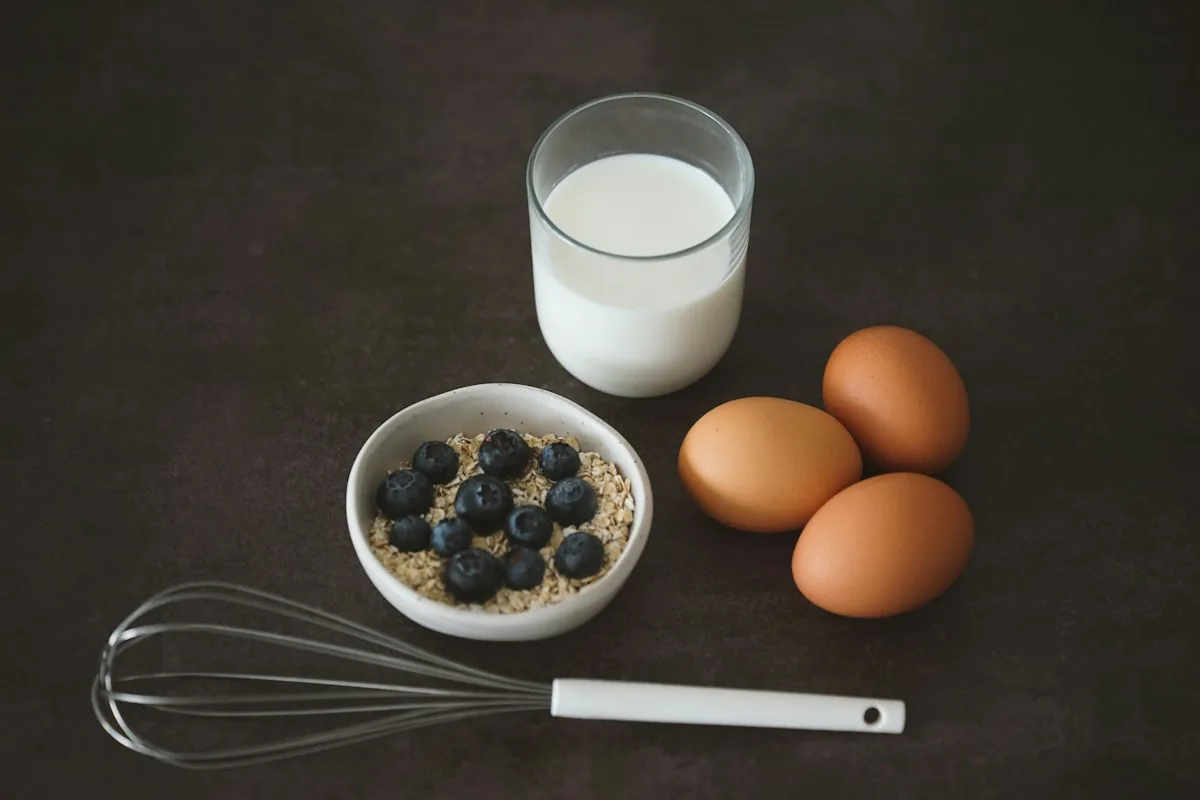
Lifestyle photography for editorial illustration; not a product test or a photograph of a tested recipe.
The school-day breakfast problem is often a timing problem. Someone is hungry early, someone wants another ten minutes in bed, and the kitchen needs to work while bags are being packed. A short rotation of familiar breakfasts can reduce the number of decisions without requiring a large weekend cooking project.
Start with breakfasts the household already likes. The aim is to move a few tasks away from the busiest minutes of the morning, not introduce five new recipes at once. Ask which part of breakfast causes the delay: finding ingredients, cooking, washing up, or deciding what sounds appealing.
Choose two prepared options and one easy fallback
Two options are usually enough to begin. You might choose overnight oats and a freezer breakfast, with toast as the fallback. Another household may prefer yogurt with separate toppings and a simple egg-based breakfast prepared using a trusted recipe.
Keep portions flexible. Appetite can vary, and a child may prefer a small first serving with more available. Avoid presenting the plan as a rule everyone must follow. A familiar choice is useful precisely because it reduces negotiation on a busy morning.
Write the options where people can see them. “Oats, toast, or freezer pancakes” is enough. An elaborate menu can create the expectation of a different cooked breakfast every day, which defeats the purpose of reducing work.
Option one: assemble oats the evening before
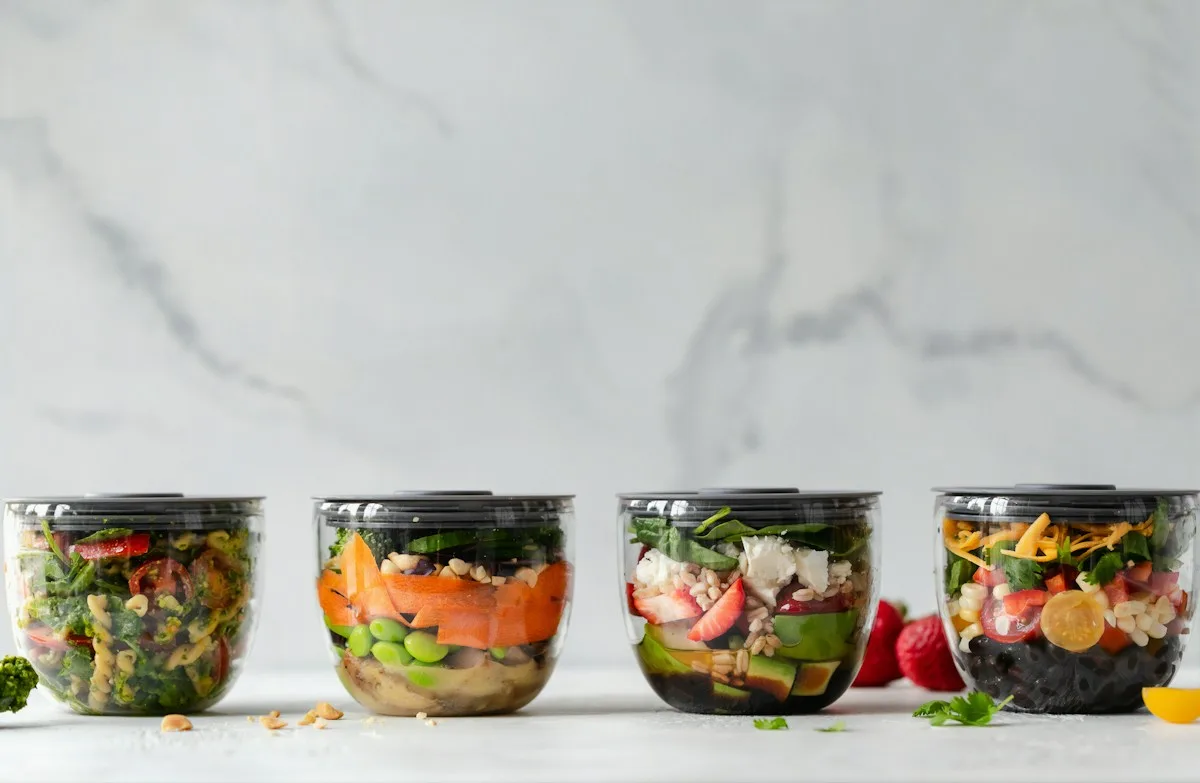
The overnight oats framework can be prepared in an individual container. Keep toppings separate if their texture matters, and leave space to stir. Make one portion first so you can adjust the amount of liquid and decide whether the household actually enjoys it.
Put the jar or container where it is visible when the refrigerator opens. If several people have different combinations, label them clearly. Follow ingredient storage instructions and keep perishable foods appropriately refrigerated.
Option two: make a modest freezer batch
When making a breakfast your household already enjoys, consider whether the recipe offers suitable freezing and reheating instructions. Pancakes or waffles may be convenient candidates when prepared and stored appropriately. Use a reliable recipe and follow its directions rather than assuming all versions behave the same way.
Freeze in portions that match how you expect to serve them, and label the contents and date. A small batch is a better first experiment than filling the freezer with something nobody has reheated before. Keep a simple inventory so breakfast does not disappear behind other packages.
Use USDA leftover guidance when handling prepared foods, alongside the recipe and appliance instructions. Choose a reheating method suited to the food and equipment you own.
Option three: prepare the parts of toast
Toast can remain the easy option while still benefiting from evening preparation. Put plates and suitable utensils where they are accessible, check that bread is available, and prepare any ingredients that can be stored appropriately overnight. Keep refrigerated toppings in the refrigerator until needed.
Offer familiar accompaniments rather than assembling everything in advance. A slice of toast loses its appeal when it sits too long with a wet topping. Let the morning task be quick assembly, with ingredients already easy to find.
For younger children, choose tasks appropriate to their age and supervise around hot appliances. Being able to choose a topping or carry a plate can help the routine feel shared without adding a complicated cooking lesson to the morning.
Spend where it removes a repeated delay
If your toaster is a bottleneck, notice how many servings you regularly need before considering a replacement. More slots can be convenient, but a larger appliance takes counter space and may not be necessary if breakfast happens in shifts.
Storage containers should fit the actual portions and refrigerator shelf. A wide opening can make oats easier to stir; small separate pots can keep crunchy toppings dry. A matching breakfast set is optional. Existing containers may do the job once lids and spoons are easy to locate.
Finish with a five-minute evening check
Look at tomorrow’s schedule, choose the available options, and check the refrigerator. Place dry items where appropriate and keep food that needs chilling properly stored. The check should be short enough to repeat on an ordinary evening.
What if nobody wants the prepared breakfast?
Use the fallback, review the portions, and change the rotation. Preparation is useful only when it supports what people will eat. Combine this routine with lunch-box building blocks so the two meals share ingredients without requiring identical menus.