A Family Snack Board on a Budget
Make a flexible snack supper with everyday ingredients, manageable portions, and serving pieces you already own.
Shopping note: this guide includes buying advice. Retailer links currently use no affiliate tracking. If affiliate links are added, we may earn a commission at no extra cost to you. Read our disclosure.
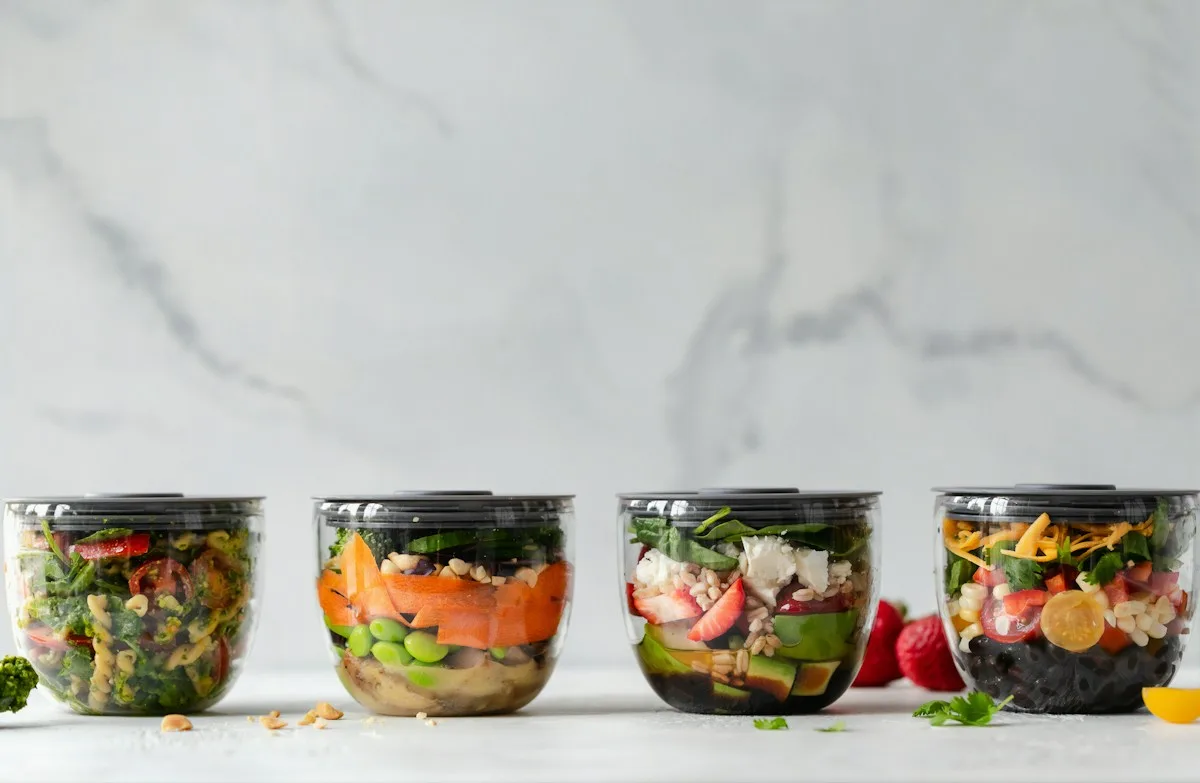
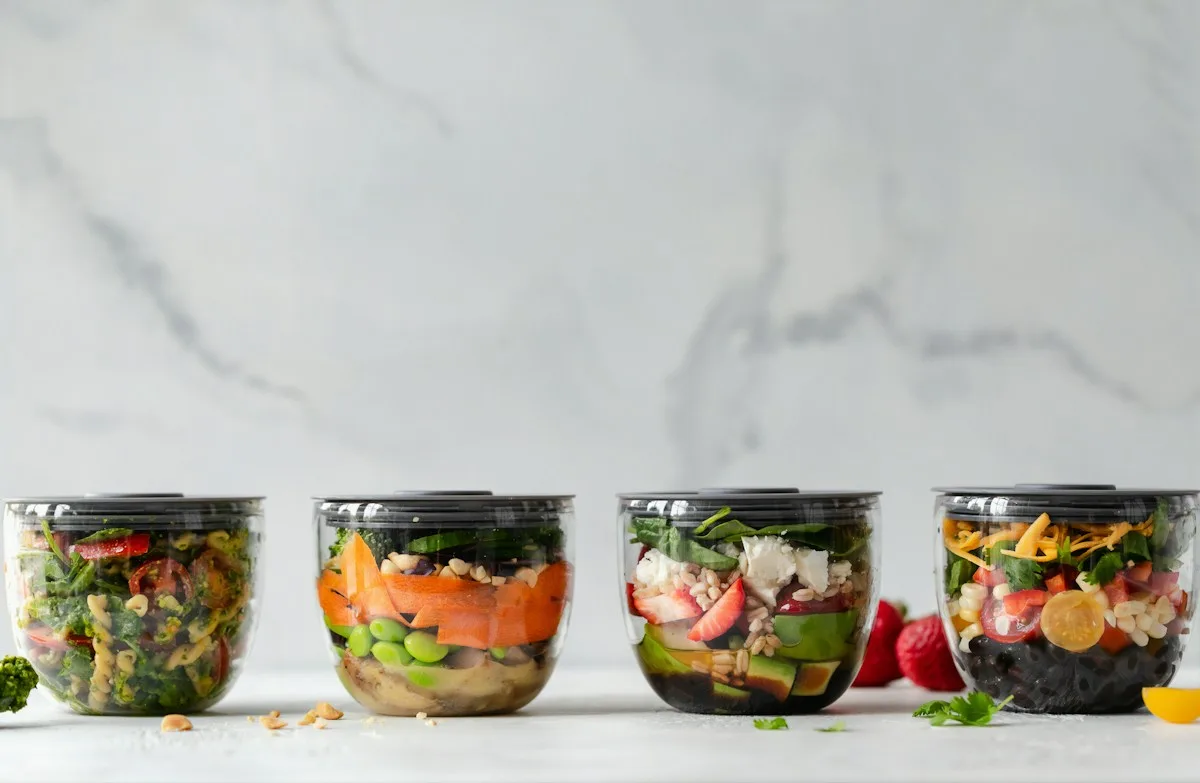
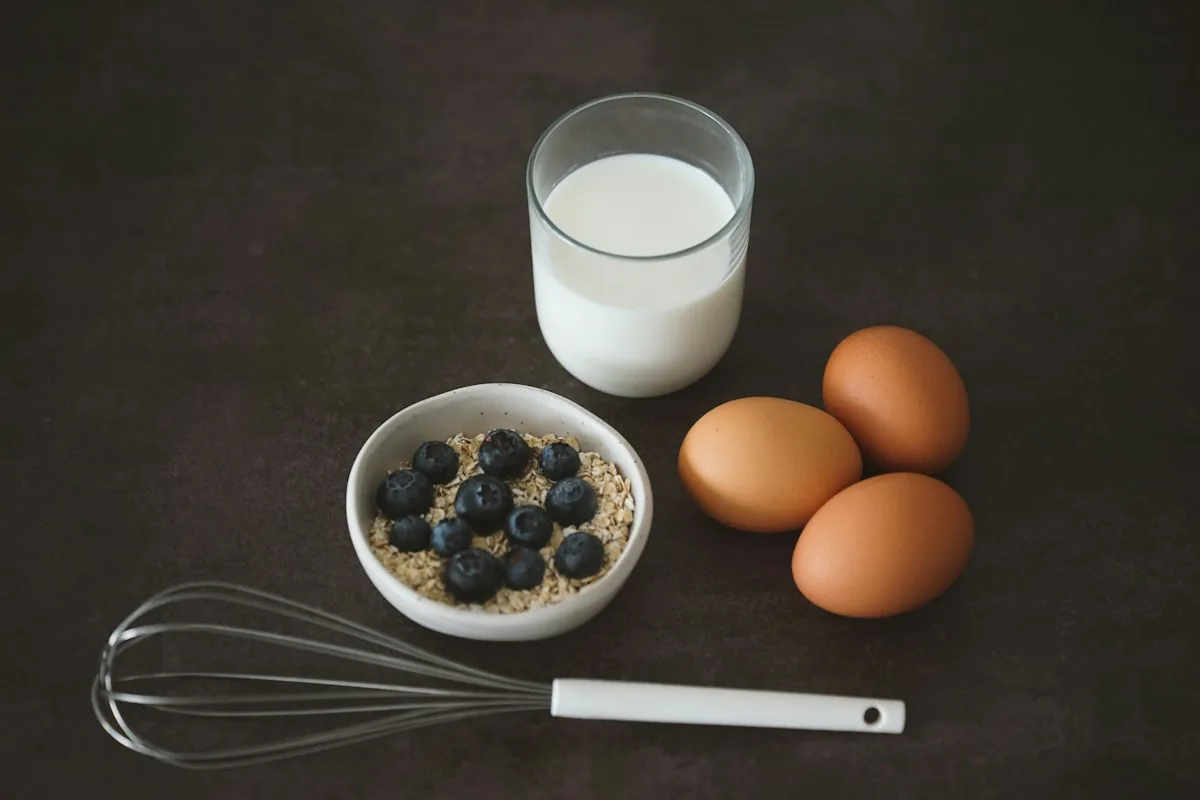
Lifestyle photography for editorial illustration; not a product test or a photograph of a tested recipe.
A family snack board can be a practical supper when nobody wants a formal meal. It can also become expensive: specialty cheeses, several dips, decorative garnishes, and a board too large for the cupboard. Start with familiar food and a limited set of contrasts.
Editorial disclosure: This guide includes buying considerations. No paid affiliate links are currently included.
Build around five components
Choose something substantial, something crisp, fruit, vegetables, and a spread. For example, use a preferred cheese or bean spread, crackers, sliced apples, cucumber sticks, and hummus. Add bread or another substantial component when the board replaces dinner rather than serving as a small snack.
Begin with modest quantities and keep refills in appropriate storage. A table covered with food makes it harder to judge what will be eaten. Refilling a small dish also keeps the remaining food protected rather than leaving everything exposed throughout the meal.
Cut pieces to suit the people eating, especially younger children. Adapt ingredients to allergies, dietary needs, and age-appropriate preparation. Keep packaging available if anyone needs to check ingredients. A shared board should be easy for everyone to navigate without guessing what a spread contains.
Check the fridge before shopping
Look for suitable leftovers and opened packages. Half a cucumber, a few tomatoes, and the end of a cheese block can look intentional in separate groups. Check storage guidance and condition rather than assuming every leftover belongs on the board.
Choose one purchased item as a focus, then let familiar staples support it. A flavorful cheese might need only bread and fruit. Buying three more cheeses because a photograph shows variety raises the cost without necessarily improving dinner.
Compare unit prices alongside likely waste. A smaller package can be better value when an unfamiliar ingredient may not be finished. Larger packs make more sense for crackers or spreads you use regularly. Decide where the remainder will go before adding a large package to the trolley.
Arrange for eating
Place wet foods in bowls so they do not soften crackers. Provide a utensil for each spread and keep strong flavors apart when diners prefer them separate. Leave enough room to pick up an item without dislodging its neighbors.
Keep refills in the kitchen instead of balancing everything on one surface. For a small table, use two plates at opposite ends so everyone can reach. A wide platter looks attractive but becomes awkward when people repeatedly pass it across drinks.
For an outdoor meal, use a layout that fits a covered container and your cooling arrangements. The USDA outdoor food guidance is a useful reference when the board travels beyond the kitchen.
Decide whether a board earns its space
A dinner plate, baking tray, or several small dishes can perform the same serving job. Wooden boards offer a warm appearance but need care appropriate to their material. Large boards also consume washing and storage space. A dishwasher-safe platter may be more convenient if simple cleanup matters most.
Check dimensions against the table and sink. Handles help with carrying but extend the footprint. A recessed well can contain crumbs or liquid, though it may make corners harder to clean. Follow the manufacturer’s instructions instead of assuming every board tolerates the same treatment.
Small bowls often help more than decorative accessories. Choose pieces that nest or stack and also work for breakfast, sauces, or leftovers. A coordinated set is optional; mismatched dishes can create an equally clear and inviting table.
Give the leftovers another job
Store remaining ingredients separately and promptly according to their needs. Crackers that stayed dry can return to their package, while cut produce requires suitable storage. Avoid scraping a mixed, heavily handled pile into one box and expecting an appealing lunch.
Use spread in a sandwich, suitable vegetables in a salad, and fruit at breakfast. Plan those uses before buying more food. The budget benefit comes from ingredients that work across several meals, not simply from arranging inexpensive food on a large board.
For another adaptable table, try build a better salad night.