Build a Better Salad Night
Turn salad into an adaptable dinner with a simple structure, separate toppings, and practical shopping advice.
Shopping note: this guide includes buying advice. Retailer links currently use no affiliate tracking. If affiliate links are added, we may earn a commission at no extra cost to you. Read our disclosure.
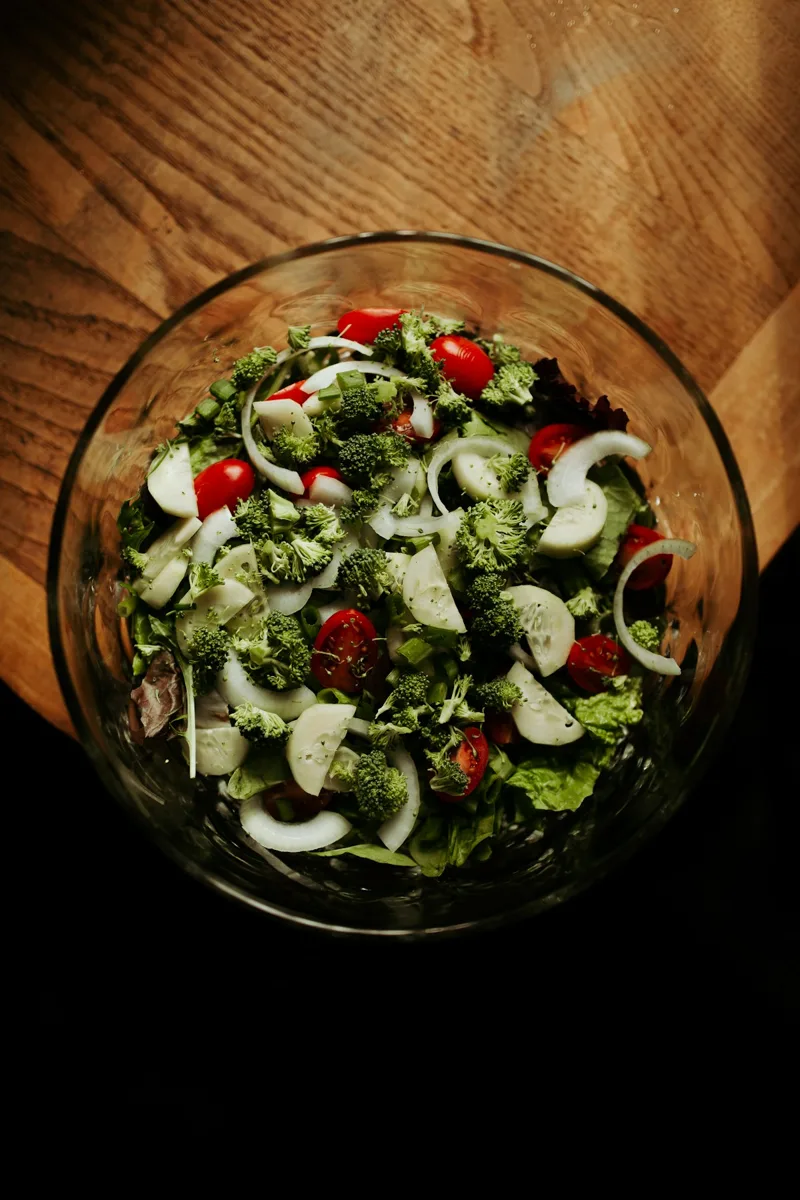
Lifestyle photography for editorial illustration; not a product test or a photograph of a tested recipe.
Salad night works best when it feels like dinner, not a bowl of leaves waiting for something more interesting. Think in components: a fresh base, a substantial addition, something crisp, something soft, and a dressing that connects them. That structure makes room for leftovers and preferences without preparing separate meals.
Editorial disclosure: This article includes buying considerations. No paid affiliate links are currently included.
Start with a dependable combination
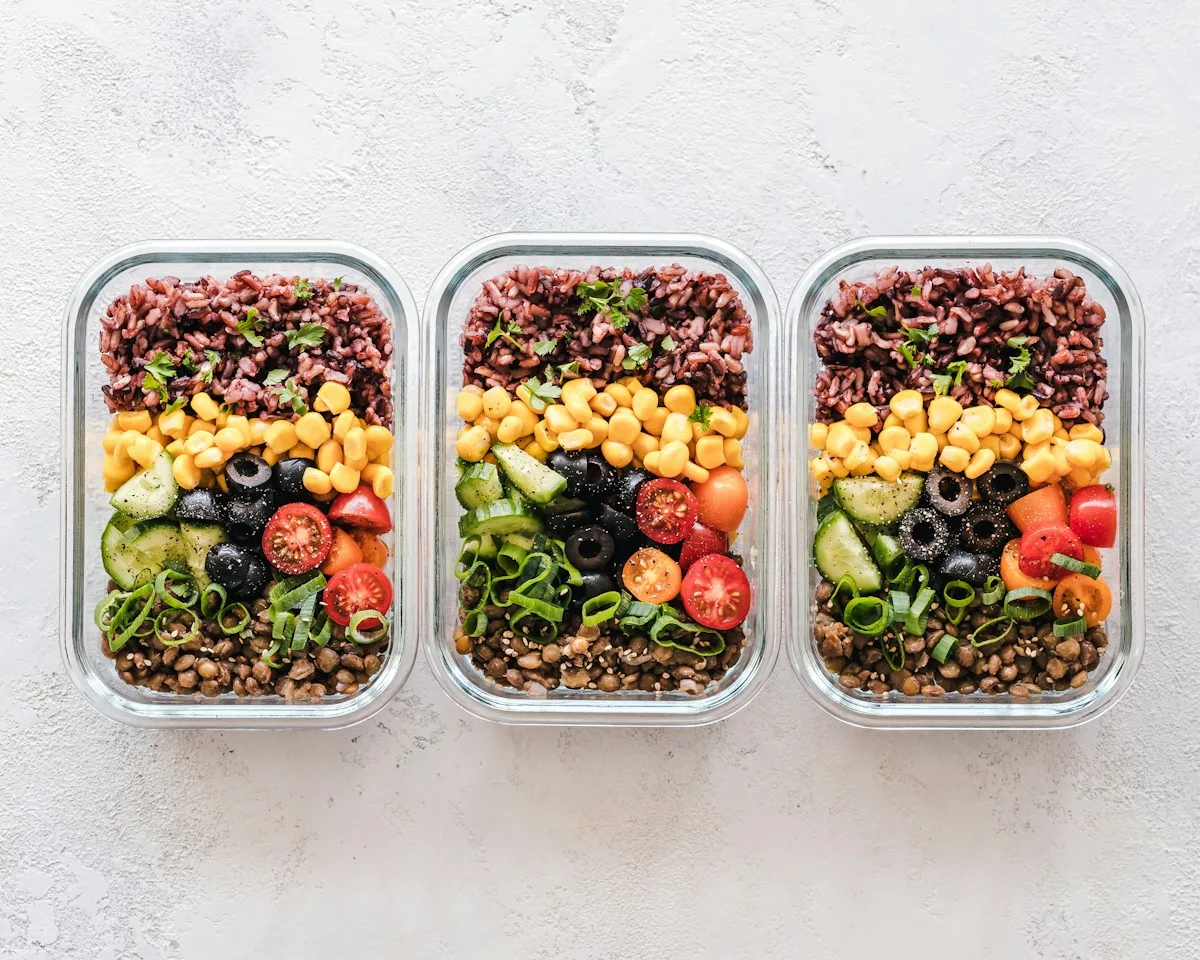
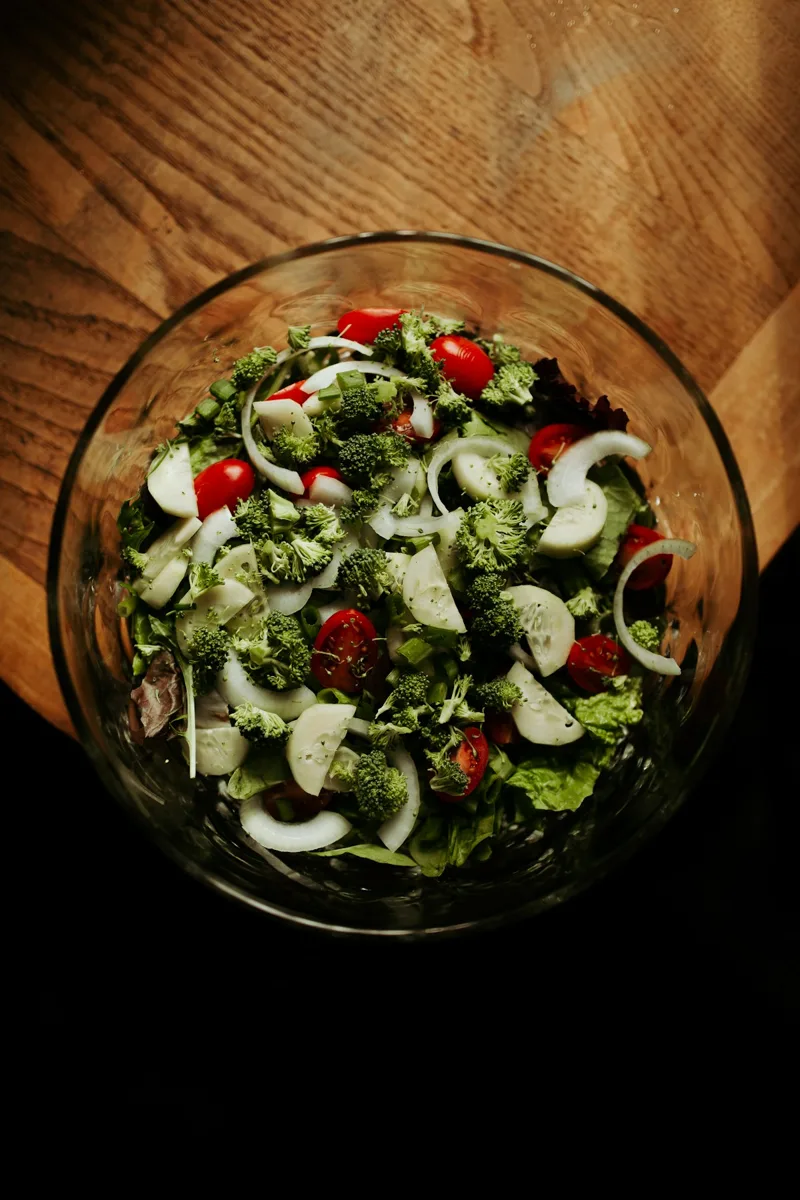
For four flexible servings, wash and dry a large head of romaine, cook a cup of dry couscous according to its package instructions, and drain a can of chickpeas. Cut a cucumber and a few tomatoes into bite-size pieces. Put the greens in a wide bowl and arrange the other components in smaller dishes.
Make a dressing with three tablespoons olive oil, one tablespoon lemon juice, a teaspoon of mustard, and a small pinch of salt. Whisk, taste on a leaf, and adjust. Tasting dressing alone can exaggerate its sharpness; tasting it with the food gives a more useful result. These are original cooking suggestions, not a claim of tested recipe development.
Offer cheese, chopped herbs, or toasted seeds separately. Begin with small amounts. A salad with six competing toppings often tastes less coherent than one with three deliberate choices.
Match texture to the meal
Delicate greens suit soft fruit and lighter dressings, while sturdy lettuce can handle beans, grains, and chopped vegetables. Slice cabbage thinly enough to eat comfortably with the other ingredients. Large hard pieces make a mixed bowl difficult to manage.
Drain wet ingredients carefully. Excess water dilutes dressing and collects at the bottom of the bowl. Spread washed leaves on a clean towel or use a spinner, then store them until assembly. Add crunchy toppings at the table so they retain their texture.
A warm component changes the character of dinner. Try roasted squash, a freshly cooked grain, or warm beans. Keep it separate rather than dropping it onto all the lettuce at once. Each person can combine warm and cold ingredients immediately before eating.
Make the shopping list work harder
Choose ingredients that will appear in another meal. Cucumber can become sandwich filling, chickpeas can join a lunch bowl, and herbs can finish soup. A special dressing ingredient used nowhere else may be poor value even if the bottle is inexpensive.
Buy greens in a quantity you can realistically use. A larger bag offers no advantage when half is discarded. Whole heads may give more flexibility, while prewashed leaves save preparation time. Compare that convenience with your schedule, fridge space, and willingness to wash produce.
Before shopping, check what is already open. An existing jar of olives or packet of seeds may provide enough contrast without another purchase. Keep the list focused on the ingredients that make the meal complete rather than on decorative additions.
Choose equipment around cleanup
If you own a large mixing bowl and a clean towel, you do not need specialist salad equipment. A spinner becomes useful when leafy salads are frequent. Check its footprint and whether it drains easily; a bulky model that crowds the cupboard can create more annoyance than convenience.
A wide serving bowl lets you distribute dressing without crushing leaves. Very deep bowls encourage heavy ingredients to settle out of reach. Individual bowls should have enough room to mix comfortably instead of being filled to the rim.
Tongs should grip both leaves and heavier pieces. Two ordinary serving spoons work too. Spend on a comfortable knife or stable cutting board before buying decorative servers that do the same job as utensils already in your drawer.
Plan leftovers before dressing everything
Dress only the amount likely to be eaten immediately. Store undressed greens, substantial components, and dressing separately. Check the storage directions and suitable keeping time for each ingredient; assembling ingredients together does not extend their life.
For tomorrow’s lunch, pack beans or grains below delicate leaves, with dressing in a separate container. Leave space to mix, or pack a wider bowl if your lunch box is narrow. If someone wants a larger dinner tonight, offer bread or an extra grain portion alongside.
For a warm addition, see sheet-pan vegetables for autumn.