Sheet-Pan Vegetables for Autumn Meals
A flexible roasting method with better spacing, practical timing, and useful shopping advice for trays and liners.
Shopping note: this guide includes buying advice. Retailer links currently use no affiliate tracking. If affiliate links are added, we may earn a commission at no extra cost to you. Read our disclosure.
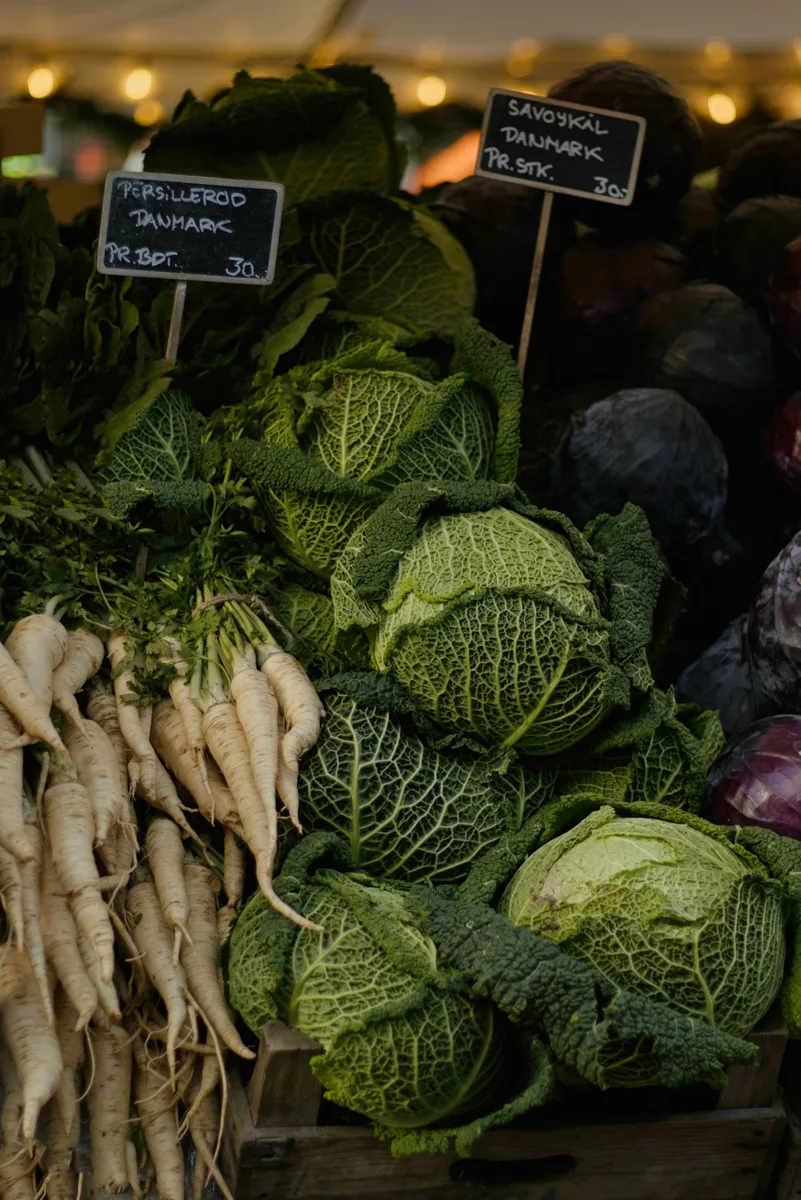
Lifestyle photography for editorial illustration; not a product test or a photograph of a tested recipe.
Roasted vegetables can anchor dinner, fill a grain bowl, or become tomorrow’s lunch component. The challenge is getting different vegetables to finish at a useful time. A dense carrot and a small broccoli floret do not behave alike, even when they share a tray.
Editorial disclosure: This article includes buying considerations. No paid affiliate links are included. The method is an original cooking suggestion, not a claim of tested recipe development.
Choose a manageable combination
For a family meal with other components, start with roughly a kilogram of mixed vegetables. Try carrots, squash, red onion, and broccoli. Peel or trim as appropriate. Cut dense vegetables smaller and quicker-cooking vegetables larger to bring their cooking needs closer together.
Heat the oven to 220°C or 425°F. Toss vegetables with enough oil to coat lightly, adding seasoning to taste. Spread across two trays if they would otherwise form a crowded layer. Pieces should have some space around them rather than sitting in a deep heap.
Start carrots and squash first. After about fifteen minutes, add onion and broccoli on another tray or to available space. Turn as needed and continue until tender and browned in places. Check earlier if pieces are small or your oven runs hot. Timing varies, so appearance and tenderness are your final guide.
Use separate trays when timing matters
One tray sounds convenient, but a second gives control. You can remove broccoli while squash continues cooking, rotate positions if the oven heats unevenly, and keep strongly flavored ingredients apart. It also avoids forcing everything into a layer too crowded to manage.
If you own one tray, choose vegetables with similar needs or stagger their addition. Working in batches takes longer but may produce a more useful result than a heap of unevenly cooked pieces. Build that extra time into dinner rather than discovering it when everyone is waiting.
Leave clearance to move hot trays safely. Use appropriate oven protection and create a heat-safe landing area. Keep nearby pan handles out of the route between oven and counter. Good preparation includes somewhere to set the finished food.
Finish after roasting
Add lemon juice, chopped herbs, or dressing after cooking. A finishing ingredient helps the same vegetable combination suit different meals. For a bowl, consider tahini dressing; beside a simple supper, use lemon and parsley.
If adding a sweet glaze, think about when it should enter the process rather than coating everything heavily at the start. Follow a specific recipe when unsure. Sweet coatings can darken quickly and make cleanup more involved.
Serve vegetables with beans, grains, bread, or another component that fits your meal. Keep sauce separate when people prefer different flavors. The tray should simplify dinner rather than require every plate to look identical.
Buy a tray for your oven
Measure usable oven width and depth before purchasing a baking sheet. Leave room for air circulation and for your hands to grip edges safely. A tray that technically fits but scrapes the walls is not a practical choice.
A rimmed metal tray contains oil and small pieces better than a completely flat sheet. Heavier construction may feel sturdy but adds weight when full. Check care instructions and whether the finish tolerates your normal utensils and cleaning routine.
Liners can ease cleanup but change the surface food contacts. Check temperature limits and use instructions. Reusable mats require washing and storage; disposable paper creates an ongoing purchase. Choose according to frequency of use and the results you prefer, rather than assuming either option is essential.
Plan the next meal
Cool and store cooked food appropriately, using the USDA leftovers guidance as a reference. Portion what you expect to use instead of leaving a large tray uncovered in the refrigerator.
Reheated vegetables can fill a wrap or join a grain bowl. Their texture may soften, so pair them with something crisp rather than expecting the original result. Label the preparation date and choose the next use while the ingredients are still familiar.
For a meal using this component, read build a better salad night.