Lemon Chickpea Grain Bowls for an Unhurried Dinner
Build a flexible bowl with chickpeas, grains, crisp vegetables, and lemon dressing, with practical substitutions and serving ideas.
Shopping note: this guide includes buying advice. Retailer links currently use no affiliate tracking. If affiliate links are added, we may earn a commission at no extra cost to you. Read our disclosure.
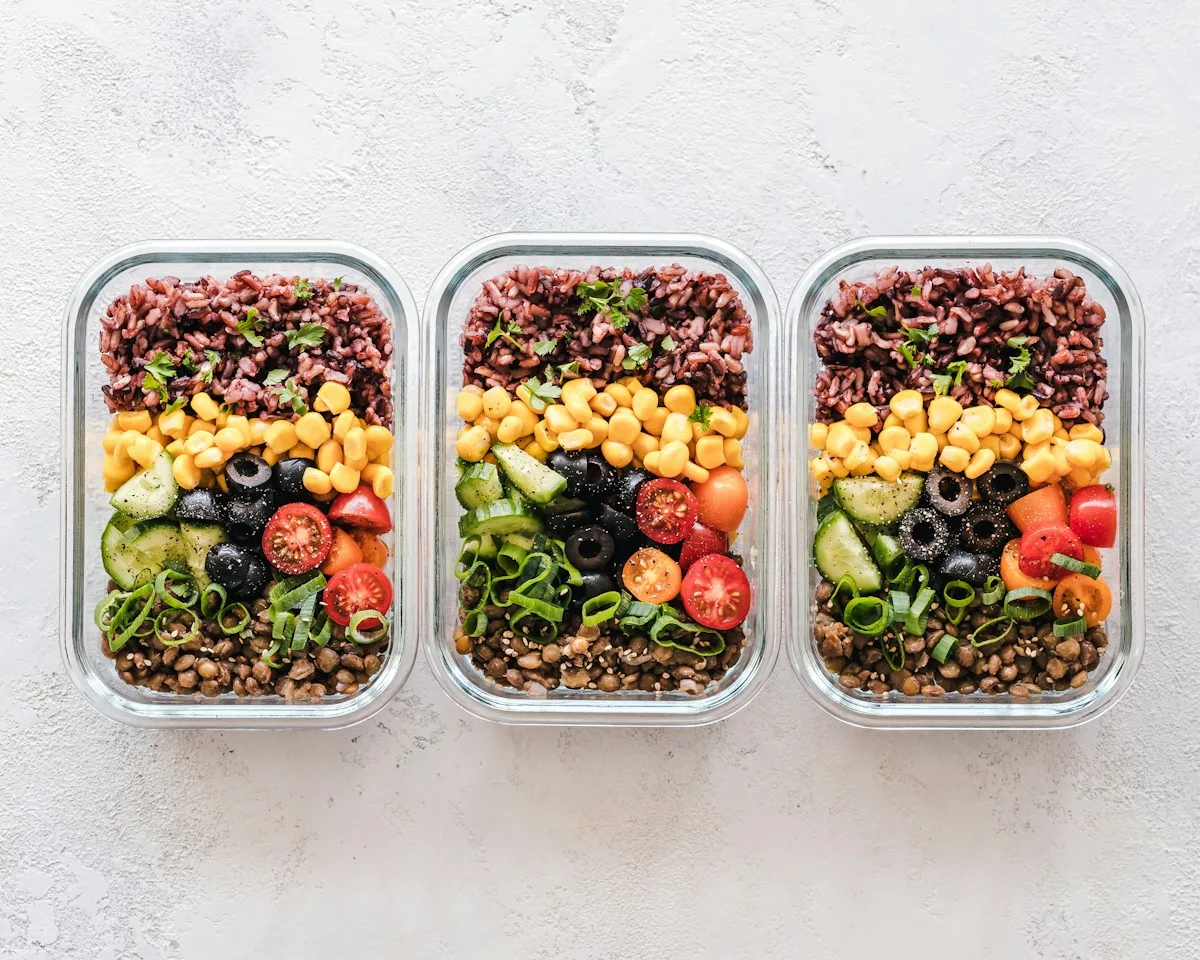
Lifestyle photography for editorial illustration; not a product test or a photograph of a tested recipe.
A grain bowl is especially useful on the kind of evening when one person arrives home early, another comes through the door later, and dinner needs to wait politely. Instead of dressing everything at once, set out warm grains, chickpeas, chopped vegetables, and a lemon dressing. Each plate can be assembled when its owner is ready.
This original recipe idea makes four modest bowls, with room to add bread or another side according to appetite. It is a flexible starting point rather than a claim of kitchen testing. Taste the dressing before serving, and let the vegetables and grains you already have guide the final combination.
Gather the components
For the bowls, set out:
- 3 cups cooked rice, farro, or another grain you enjoy
- 2 cans chickpeas, 15 ounces each, drained and rinsed
- 1 medium cucumber, chopped
- 1 pint cherry tomatoes, halved
- 2 packed cups leafy greens, washed and dried
- 1 small bunch parsley, chopped
- Optional crumbled feta, olives, or toasted seeds for the table
For the dressing, combine 3 tablespoons olive oil, 2 tablespoons lemon juice, 1 teaspoon Dijon mustard, and 1 teaspoon maple syrup or honey. Add a small pinch of salt and a few turns of black pepper, then taste. Mustard, cheese, and packaged toppings vary, so season the assembled bowl gradually.
Make dinner in four steps
First, prepare your grain according to its package directions, or use a portion you have already cooked and stored appropriately. Fluff it with a fork and divide it among four bowls. There is no need to chase a perfectly sculpted presentation; a broad, shallow bowl makes the toppings easier to distribute.
Second, dry the rinsed chickpeas gently with a clean towel. You can serve them as they are, or warm them in a skillet with a little oil and a pinch of smoked paprika. Stir until warmed through. The skillet version adds another pan to wash, so skip it when the point of dinner is simplicity.
Third, whisk the dressing in a small bowl or shake it in a jar with a secure lid. Dip a piece of cucumber into it to judge the flavor in context. Add a little more lemon for brightness, water to loosen it, or oil to soften the sharpness.
Finally, add greens, chickpeas, cucumber, tomatoes, and parsley to the grains. Spoon over a little dressing and offer the rest separately. Put optional toppings in small bowls so people can choose their own combination.
Adjust it to what is available
When tomatoes are disappointing, use grated carrot and thinly sliced cabbage. When cucumber is missing, try diced bell pepper. Roasted vegetables make this feel more suited to a cool evening, while raw vegetables keep preparation brief. Aim for one soft component, one crisp component, and a dressing that ties them together.
Rice is a convenient choice when you want a familiar base. Farro has a different texture and contains wheat, so check household preferences and ingredient requirements before choosing it. There is no reason to buy a specialty grain solely for this bowl if another suitable option is already in the cupboard.
Choose useful tools without overbuying
A fine-mesh strainer is helpful for rinsing chickpeas and smaller grains, but check the mesh size against what you regularly cook. A large colander can be easier to wash while letting tiny grains escape. A medium mixing bowl is usually more versatile than a dedicated grain-bowl set.
For serving, check the usable depth of a bowl rather than its advertised diameter alone. A deep bowl keeps dressing contained but can make toppings difficult to reach. A shallow bowl spreads ingredients attractively but may be awkward to carry to a sofa or outdoor table. Buy around your actual eating routine, and check whether your existing plates already do the job.
Prepare ahead with texture in mind
Keep the dressing, grains, and chopped vegetables in separate containers if you are preparing this for another meal. Wet tomatoes can soften greens, and dressed cucumber loses some crunch. Follow USDA leftover guidance for cooling and storing cooked components.
Can this become lunch?
Yes: pack the grain and chickpeas together, keep the vegetables and dressing separate, and assemble when ready to eat. The lunch-box building blocks guide explains that approach in more detail. For a broader weekly plan, pair this dinner with the Sunday prep routine.