No-Cook Dinners for Warm Evenings
Build flexible dinners from ready-to-use ingredients with no oven, sensible shopping, and minimal equipment.
Shopping note: this guide includes buying advice. Retailer links currently use no affiliate tracking. If affiliate links are added, we may earn a commission at no extra cost to you. Read our disclosure.
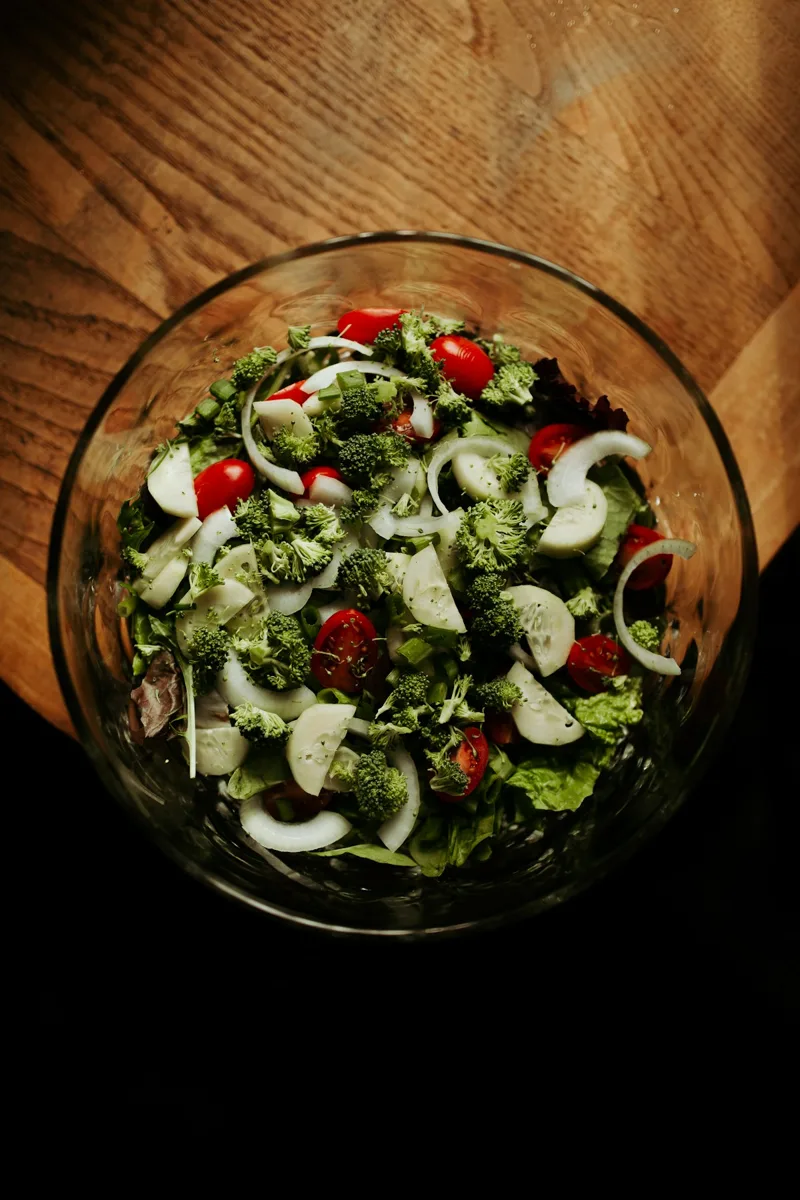
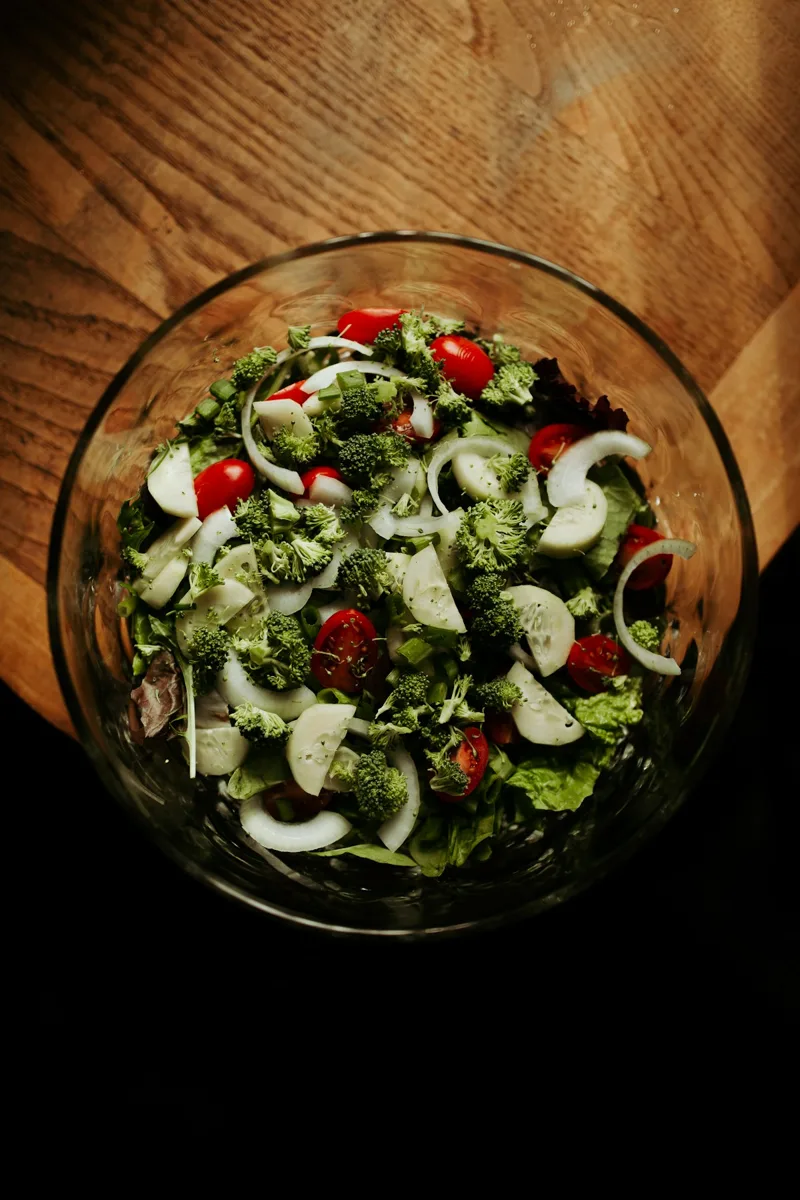
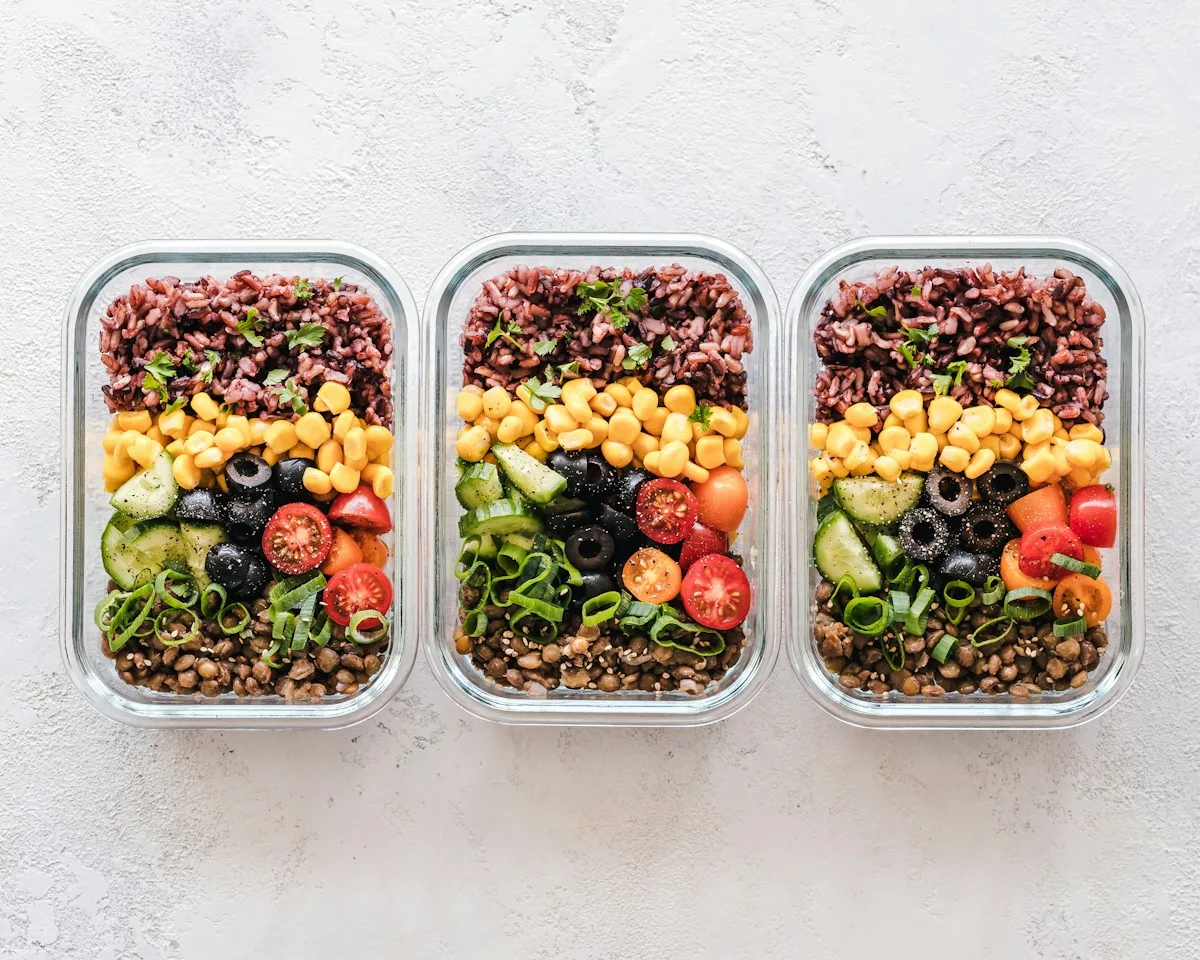
Lifestyle photography for editorial illustration; not a product test or a photograph of a tested recipe.
When the kitchen already feels warm, dinner can begin with what is ready to eat. A no-cook meal still benefits from structure: choose a substantial base, add fresh produce, include a flavorful spread or dressing, and put everything within reach. The result can feel deliberate without requiring a stove.
Editorial disclosure: This guide includes buying considerations. No paid affiliate links are included. Cooking suggestions are original ideas rather than a claim of tested recipe development.
Make a chickpea pita table
Drain and rinse two cans of chickpeas, then mash half roughly with a fork. Add olive oil, lemon juice, and chopped herbs to taste. Fold in the remaining chickpeas for texture. Set out pita bread, sliced cucumber, tomatoes, and a preferred spread.
Keep the filling thick enough to stay inside the bread. If tomatoes are particularly juicy, serve them alongside. Let everyone assemble a pita immediately before eating rather than filling several and leaving them to soften on a platter.
For another version, use canned beans with chopped roasted peppers from a jar. Read the storage instructions once the jar is opened, and buy a size that fits the meals you have planned. A small jar you finish can be better value than a large one you discard.
Build a bread-and-tomato supper
Cut ripe tomatoes into a wide bowl, add olive oil and a little vinegar, and season to taste. Serve with bread, a preferred cheese or bean spread, olives, and another substantial ingredient that suits your household.
Keep bread separate until serving. For a bread salad, tear only the portion intended for immediate eating and toss it with tomatoes shortly before dinner. Different breads absorb liquid differently, so add juices gradually rather than flooding the bowl.
This meal depends more on ingredients you enjoy than an elaborate recipe. Spend on appealing tomatoes and bread you will finish. An expensive decorative oil bottle cannot compensate for produce you dislike, and several garnishes are unnecessary if the basic combination works.
Assemble a cold dinner bowl
Start with a ready-to-eat grain product used according to its label, or leftovers that have been cooled and stored appropriately. Add shredded vegetables, beans, and dressing. Keep components separate if some diners prefer plain portions.
For a dressing, combine tahini and lemon juice, then add water a spoonful at a time until pourable. Taste before seasoning. Alternatively, use a dressing already in the fridge; check its date and storage instructions instead of purchasing a new condiment for one evening.
Follow suitable storage guidance for leftovers. A cold bowl does not make previously mishandled ingredients safe. The USDA leftovers guidance is a useful planning reference.
Shop for overlap
A short list of bread, tomatoes, cucumber, beans, herbs, and a spread can support both pita night and a picnic lunch. Buy delicate produce in amounts you can use promptly. Keep shelf-stable staples for evenings when fresh options run short.
Convenience products earn their cost when they remove a difficult step. Precut vegetables save time but may offer less flexibility than whole vegetables. A large prepared platter may look economical yet leave more than you can use. Compare actual meal count, not just package size.
Read labels when choosing ready-to-eat ingredients, especially for household allergies or dietary requirements. Do not assume two similar-looking spreads contain the same ingredients. Keeping packaging nearby makes those checks easier at the table.
Buy tools only for repeated jobs
A comfortable knife, stable board, colander, and mixing bowl cover most preparation here. A spinner helps if leafy greens are frequent, but a clean towel may be sufficient when cupboard space is tight.
For storage, choose containers that stack securely and show their contents. Small dressing pots are handy only if their lids are easy to keep together. Check the sizes against your usual portions before purchasing a set; many tiny boxes can be less useful than three well-chosen containers.
Bring food to the table in dishes that can store leftovers when practical. Use separate utensils for each spread and return perishable ingredients to appropriate storage promptly. Minimal cooking should also mean manageable cleanup.
For an outdoor version, see picnic lunches that travel well.