Picnic Lunches That Travel Well
Plan a practical picnic with sturdy sandwiches, separate dressings, and useful packing choices.
Shopping note: this guide includes buying advice. Retailer links currently use no affiliate tracking. If affiliate links are added, we may earn a commission at no extra cost to you. Read our disclosure.
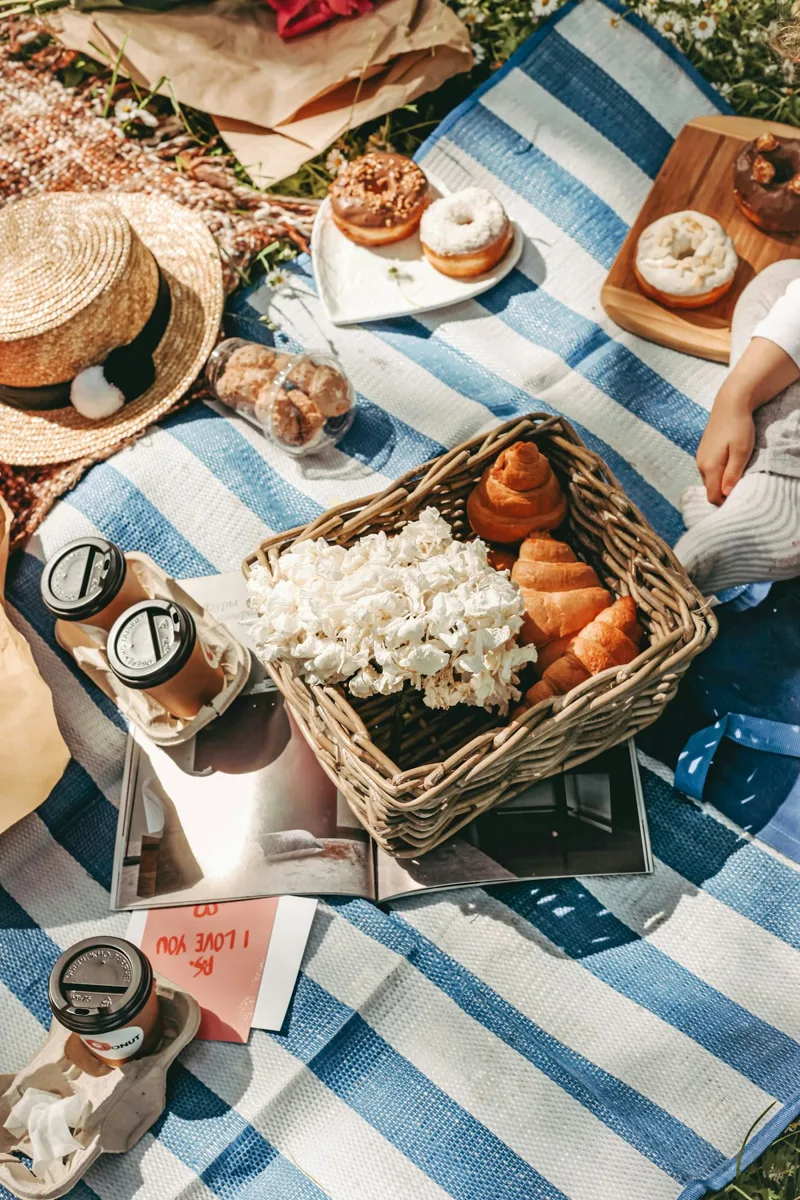
Lifestyle photography for editorial illustration; not a product test or a photograph of a tested recipe.
A picnic lunch has two jobs: arrive in good condition and be pleasant to eat away from a kitchen. Elaborate sandwiches become awkward when everyone is balancing a plate on a knee. Start with the setting, the journey, and the number of hands available before deciding what to cook.
Editorial disclosure: This guide includes shopping considerations. Manufacturer links are informational; no paid affiliate links are included.
Choose food that holds its shape
For four people, consider sturdy rolls, chickpea salad, sliced vegetables, and whole fruit. Drain two cans of chickpeas and combine them with diced cucumber, chopped parsley, olive oil, and lemon juice to taste. Keep the cucumber chunky so the mixture is easy to scoop with a fork. This is an original meal idea, not a claim of hands-on recipe testing.
Choose sandwich fillings suited to your cooling arrangements. Put wet ingredients between filling layers rather than against bread. A lettuce leaf can provide a useful barrier, but it will not rescue a heavily dressed sandwich. Transport dressing separately and add it shortly before eating.
Bring fruit that needs little handling, such as apples or easy-peel citrus. Pack berries in a shallow rigid container so the bottom layer is not crushed. A small bag of cookies can finish the meal without extra dishes.
Make packing part of the menu
Set the containers on the counter before preparing food. If a salad requires a bowl that cannot fit in the cooler, change the container or the salad. Leave enough room for a serving utensil to enter without spilling the contents.
Wrap individual sandwiches, then place them in a rigid box. Label special fillings clearly. Keep utensils together in a washable pouch, and take a separate bag for used items. An empty container is useful for leftovers that should not share space with clean food.
For perishable food, follow the USDA outdoor food safety guidance. Pack adequate cold sources, keep the cooler closed, and choose a shaded place for it. A cool breeze is not refrigeration.
Buy less gear, but choose carefully
A soft cooler is easier to carry over a shoulder, while a rigid cooler protects food from crushing. Measure the containers you already use and check the cooler’s empty weight. A large model that becomes uncomfortable halfway from the car will not improve lunch.
Leak-resistant containers help with salads and dips, but complicated lids add washing work. Examine whether seals can be removed for cleaning and whether replacement parts are available. Glass works well at home but adds weight outdoors; lightweight rigid containers may suit walking picnics better.
A blanket with a wipeable underside helps on damp grass. Its tradeoff is bulk and slower drying if moisture becomes trapped. If picnic benches are likely, bring a small tablecloth instead. Resist buying a complete matching kit before discovering which pieces your household uses.
Keep the departure routine short
Check the weather and park facilities. Pack water, napkins, utensils, a rubbish bag, and any required bottle opener. Put cold food into the cooler last. Carry shelf-stable snacks separately so searching for them does not repeatedly open the chilled compartment.
At the picnic, serve manageable portions and keep the remaining food protected. Position drinks away from the blanket’s busiest edge. If there is no table, a shallow tray can create a stable place for small bowls, though it should not make the load difficult to carry.
Once home, unpack immediately. Clean containers and the cooler according to their instructions, then let everything dry before closing it for storage. A damp cooler left beside the door is a chore deferred, not a finished picnic.
Can the lunch be mostly store-bought?
Yes. Bread, a prepared spread, washed fruit, and packaged crackers can make a satisfying meal. The important choices are handling, portioning, and a menu that works together. Paying for convenience is reasonable when it creates time to enjoy the outing. Buy for your actual guest count rather than filling every compartment.
For another adaptable meal, explore a family snack board on a budget.