A Spring Market Produce Plan That Starts With Dinner
Shop a farmers market with a flexible meal plan, choose manageable quantities, and make useful decisions about baskets, bags, and storage.
Shopping note: this guide includes buying advice. Retailer links currently use no affiliate tracking. If affiliate links are added, we may earn a commission at no extra cost to you. Read our disclosure.
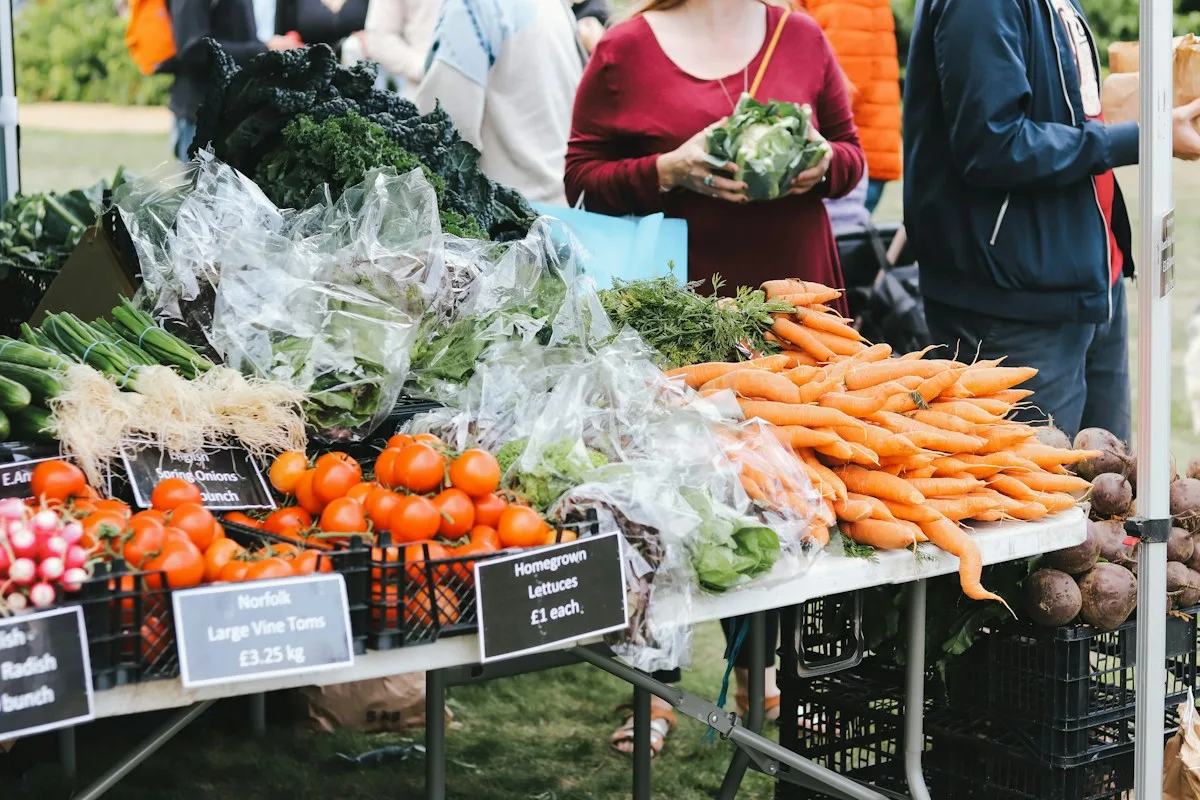
Lifestyle photography for editorial illustration; not a product test or a photograph of a tested recipe.
A spring market can make every bunch of greens look like a good idea. The challenge arrives later, when the refrigerator is full and the week contains fewer cooking opportunities than expected. A short produce plan lets the outing stay enjoyable while giving each purchase somewhere practical to go.
Local availability changes with climate, weather, and the individual grower. Use the market itself as the source of what is available rather than expecting a fixed seasonal checklist. Start with dinner plans broad enough to accommodate a different vegetable, and buy quantities your household can realistically use.
Check the week before leaving
Count the evenings when you expect to cook and the meals that already have ingredients. If you will be away for several dinners, buy less delicate produce rather than assuming enthusiasm will create extra time. Check the refrigerator drawer before taking another bag to the market.
Choose three flexible purposes: one vegetable for a raw preparation, one for cooking, and something that can become a simple side. These are roles rather than a rigid shopping list. A grower may have a good suggestion for a vegetable you do not usually buy.
Bring a small note with those roles and your approximate budget. Keep one open choice for something appealing, provided you can name a meal that will use it. The open choice keeps the trip exploratory without turning every stall into an obligation to purchase.
Ask questions that help you cook
Ask the seller how they suggest storing the produce and how they like to prepare it. If you are buying an unfamiliar ingredient, find out which parts are normally used and whether preparation requires anything unusual. Treat that conversation as helpful context and check a reliable recipe when you need detailed instructions.
Compare quantity as well as price. A large bunch may look like better value while being more than you can use. Split a purchase with someone when appropriate, or choose a smaller amount so you can learn how the ingredient fits into your kitchen.
Do not assume a product has particular growing practices simply because it is sold at a market. Read signs, ask specific questions, and distinguish a seller’s description from a certification you have actually seen.
Give delicate purchases the first meal
Plan to use the most delicate suitable ingredients early, following storage advice for each item. A simple pasta, omelet made from a trusted recipe, salad, or grain bowl can put a small amount of interesting produce at the center without demanding a full new menu.
Keep sturdier vegetables available for a later cooked meal. A tray of roasted vegetables or a pan of sautéed vegetables can adapt to different purchases. The flexible weeknight dinners framework is useful when the market selection changes your original plan.
If an ingredient is particularly unfamiliar, buy a small amount and prepare it simply the first time. That makes it easier to decide whether you like its flavor and texture without committing several meals to it.
Unpack before starting another task
When you arrive home, remove produce from crowded bags and inspect it. Store each item according to suitable guidance, separating delicate leaves from heavy vegetables. Keep track of what needs washing before use rather than assuming everything was ready to eat at purchase.
Write a brief list on the refrigerator: “Greens for Monday, roots for roasting, herbs for dressing.” The list turns attractive ingredients into visible meal decisions. If a plan changes, update the note so another person cooking can use the food too.
Choose carrying gear for your route
A broad reusable bag is convenient for sturdy produce, while a rigid basket can protect more delicate purchases. Baskets take space when stored, and their handles may be uncomfortable during a long walk. Check how you will carry everything before buying a large one.
If the trip includes other perishable foods, consider suitable insulated transport and cooling for your conditions. A bag advertised as insulated still needs to be used appropriately. Separate heavy purchases from crushable produce rather than expecting one large tote to protect everything.
At home, avoid buying specialized produce containers until you identify a repeated storage problem. The food-storage guide can help you compare useful shapes, cleanable lids, and realistic quantities.
What if the market has little of what you expected?
Use your flexible meal roles to choose alternatives, or leave with fewer purchases. A successful trip does not require a full basket. Start with the lemon chickpea bowl and adapt its vegetables to what is available, keeping the dressing and assembly method as familiar anchors.