A Cozy Lentil Soup Night
An adaptable lentil soup method with pantry ingredients, useful serving ideas, and buying advice for your cooking pot.
Shopping note: this guide includes buying advice. Retailer links currently use no affiliate tracking. If affiliate links are added, we may earn a commission at no extra cost to you. Read our disclosure.
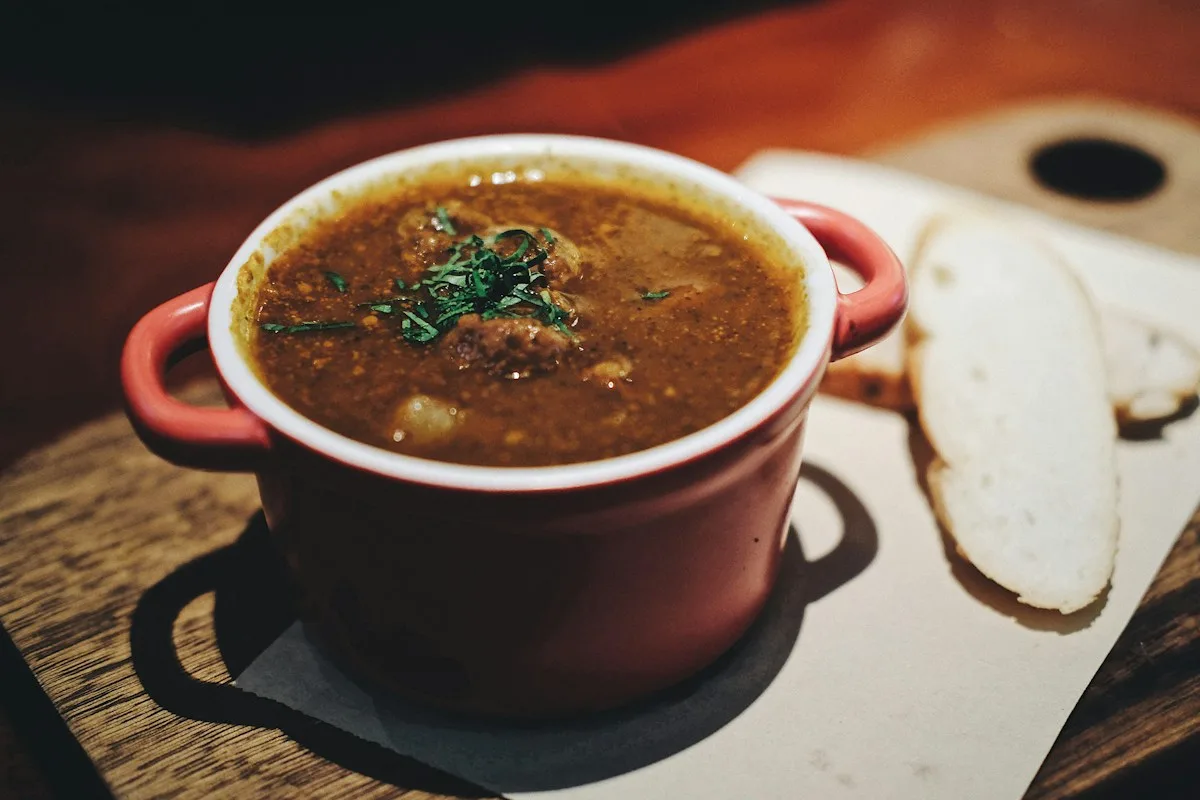
Lifestyle photography for editorial illustration; not a product test or a photograph of a tested recipe.
Soup night is easiest when the recipe allows flexibility. A pot of lentils, vegetables, and tomatoes can become a simple supper without a long shopping list. Bread, a topping, and a clear plan for leftovers make the meal feel complete.
Editorial disclosure: This article includes buying considerations. No paid affiliate links are included. The method is an original cooking idea rather than a claim of tested recipe development.
Gather a short ingredient list
For approximately four generous bowls, prepare one chopped onion, two diced carrots, two sliced celery stalks, two minced garlic cloves, a cup of dry green or brown lentils, a can of chopped tomatoes, and roughly a litre of stock or water. Keep extra liquid available.
You will also need olive oil, a bay leaf if desired, and seasoning to taste. Rinse and inspect lentils according to package instructions. Red lentils break down differently, so do not expect the same texture if you substitute them.
Cut vegetables into pieces that fit comfortably on a spoon. Large chunks make lentils feel like an afterthought, while very tiny pieces may disappear during cooking. Aim for consistency rather than precision for its own sake. Use stock you enjoy, checking its ingredients and seasoning before adding more salt.
Build flavor in order
Warm a little oil in a large pot over moderate heat. Add onion, carrots, and celery, stirring until they begin to soften. Add garlic briefly, then lentils, tomatoes, liquid, and the bay leaf.
Bring to a gentle simmer and cook until lentils are tender. Stir occasionally and add liquid when the soup becomes too thick. Begin checking around the time suggested on the lentil package, allowing for other ingredients and your preferred texture. Different varieties and batches may need different timing.
Remove the bay leaf before serving. Taste and adjust seasoning, then add lemon juice if you want a brighter finish. If the soup tastes flat, make small adjustments and taste again instead of adding several strong ingredients at once.
Make the table adaptable
Offer bread, chopped herbs, and plain yogurt or another preferred topping separately. This allows a creamy or simple bowl without changing the whole pot. Keep toppings appropriate to household dietary needs and use separate serving utensils.
A small salad adds contrast but is optional. If preparing soup already took your available time, avoid turning the side into another major project. Sliced cucumber or a few leaves with dressing can be enough.
Serve a larger bread portion or another familiar food for anyone who wants more. The same pot may cover dinner for four or several smaller lunches depending on appetites and accompaniments. Estimate portions around your household rather than relying on the number printed above a recipe.
Choose a pot that fits the job
A pot with room above the ingredients makes stirring easier and helps contain splashes. An enormous pot is heavy and awkward to store, while a small one leaves little margin when liquid simmers. Compare capacity with your usual batches before purchasing.
Comfortable handles matter when moving a full pot. Consider empty weight and whether you can lift it safely with food inside. A heavy enameled model may appeal visually, while a lighter stainless option may be easier for daily cooking and washing.
Check lid fit, stove compatibility, and care instructions. A glass lid lets you observe the pot, though it still needs lifting to stir. An opaque lid is no practical disadvantage if the pot otherwise suits your routine. Function deserves priority over matching a color scheme.
Plan tomorrow’s bowl
Soup can thicken as it stands. Add liquid gradually during reheating until it reaches the consistency you prefer. Follow safe cooling, storage, and reheating guidance; the USDA leftovers resource provides a useful reference.
Portion leftovers into suitable containers rather than leaving the entire pot to occupy refrigerator space. Label the date and decide which portions will be eaten soon and which will be frozen appropriately. A plan written now is easier to follow than a mystery container discovered later.
For a space-conscious approach, see freezer meal planning for small kitchens.